

-
![]()
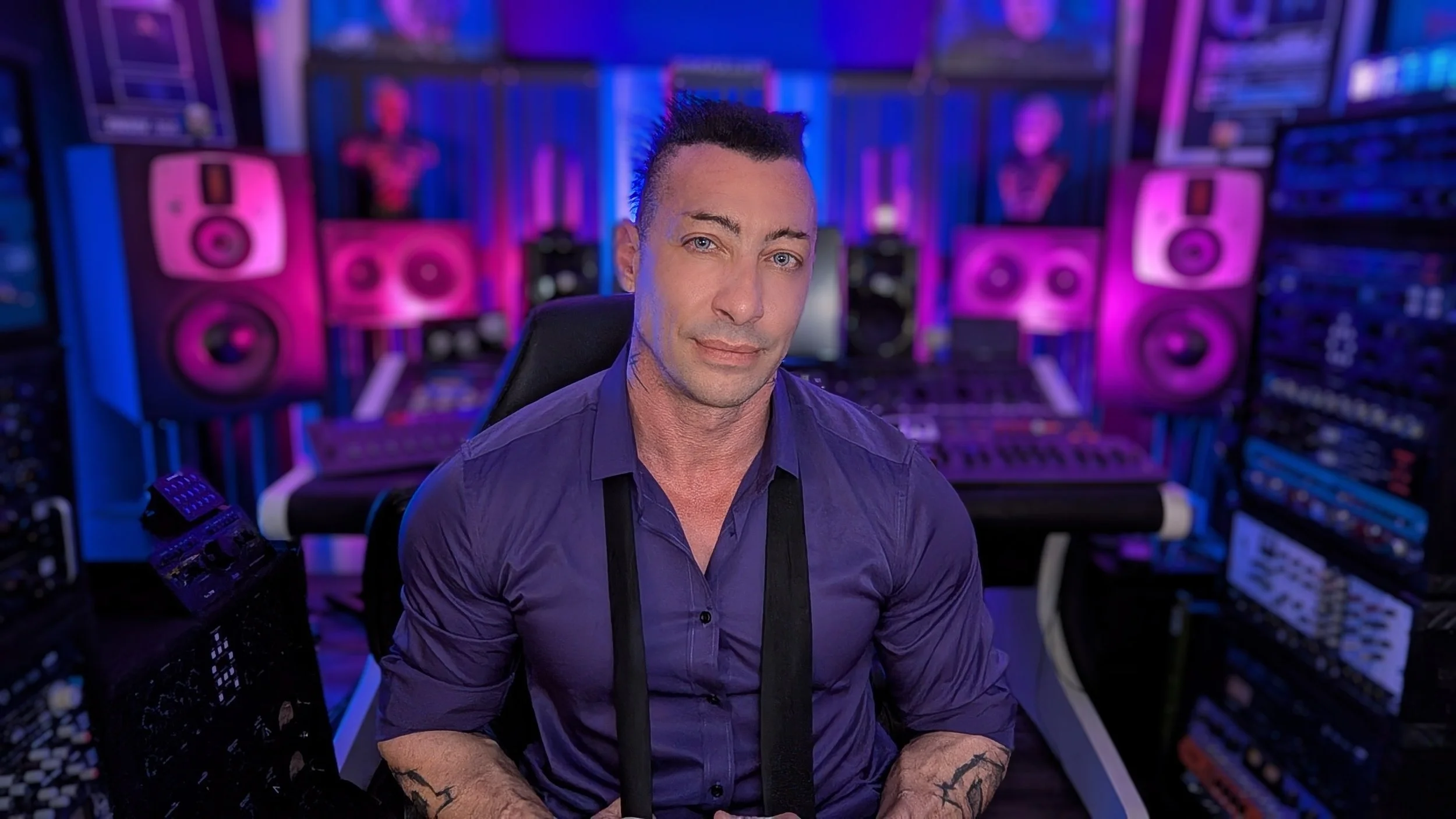
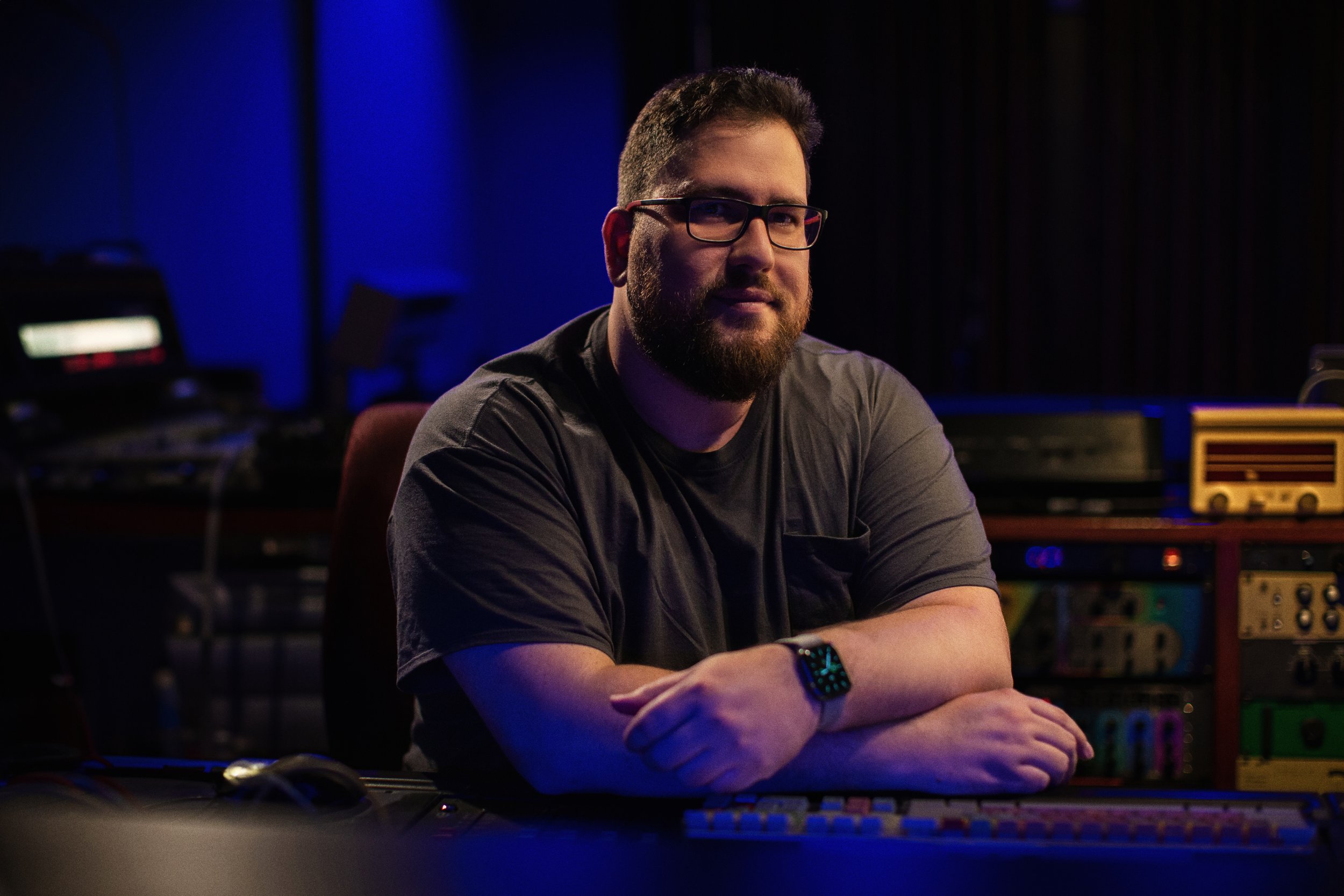
Nicolas De Porcel, Million Dollar Snare
(Roddy Rich, Baby Keem, Muni Long, DaBaby, 6lack, Omah Lay)
“When the master needs to be less bright, and more bright—at the same time 😂.”
-
![]()
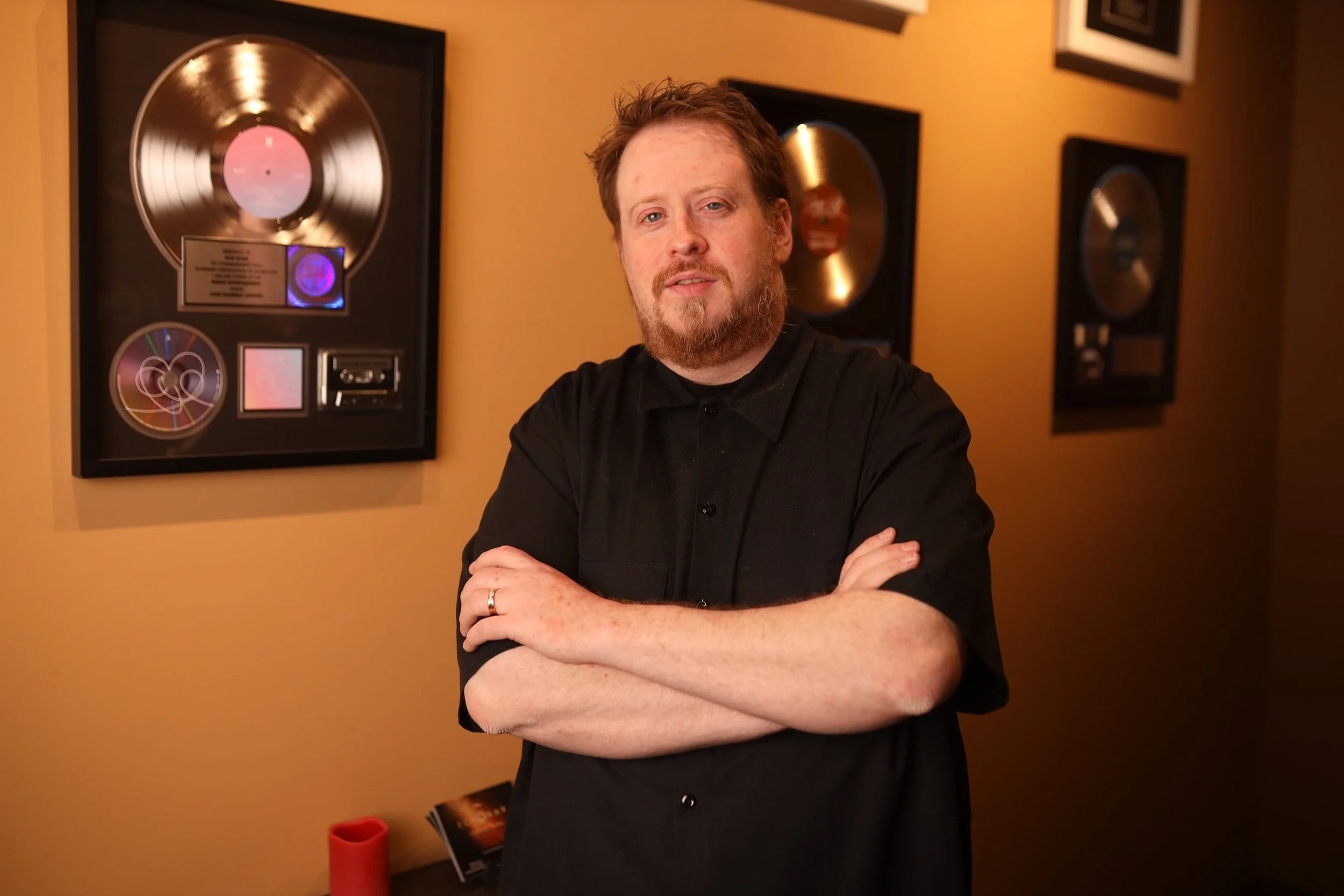
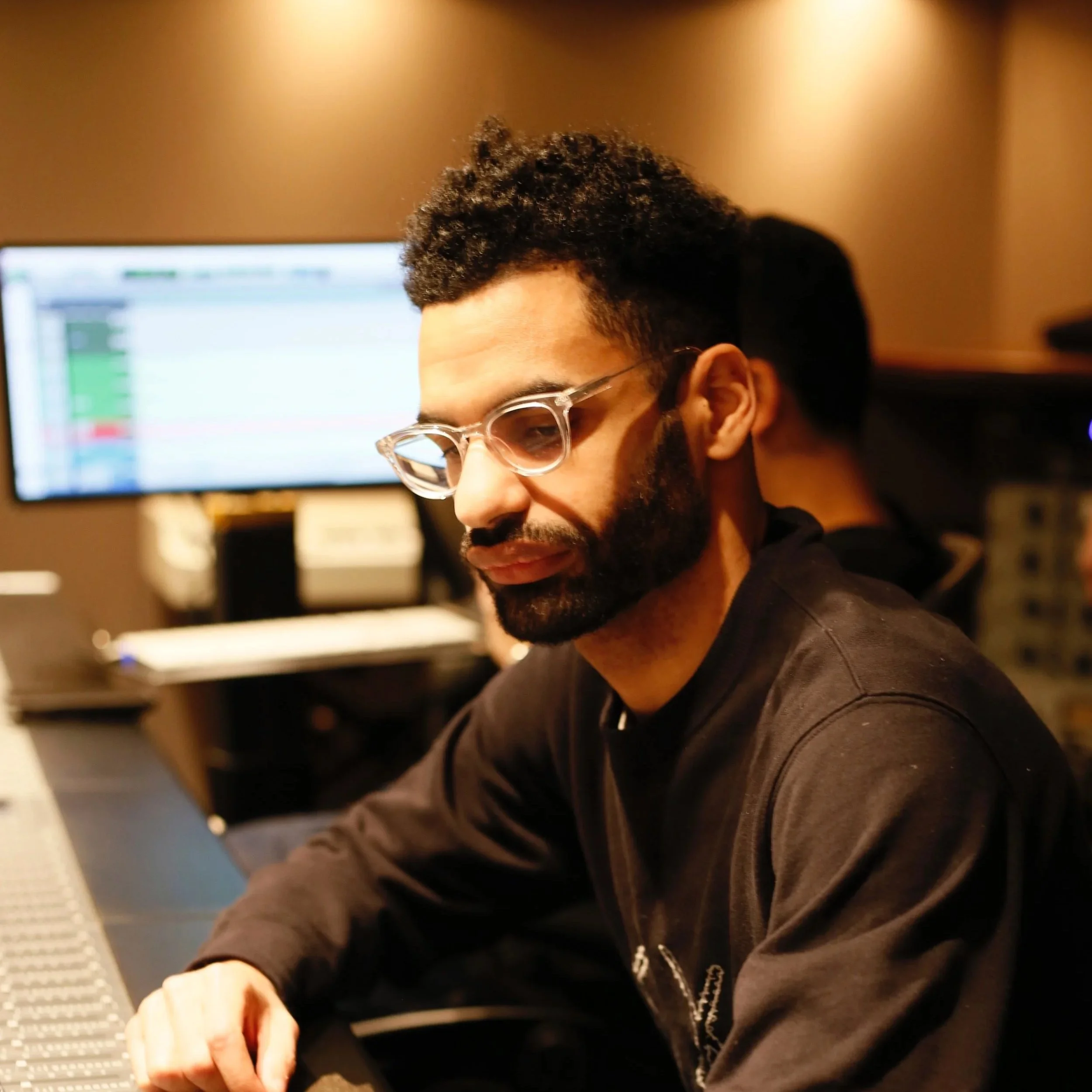
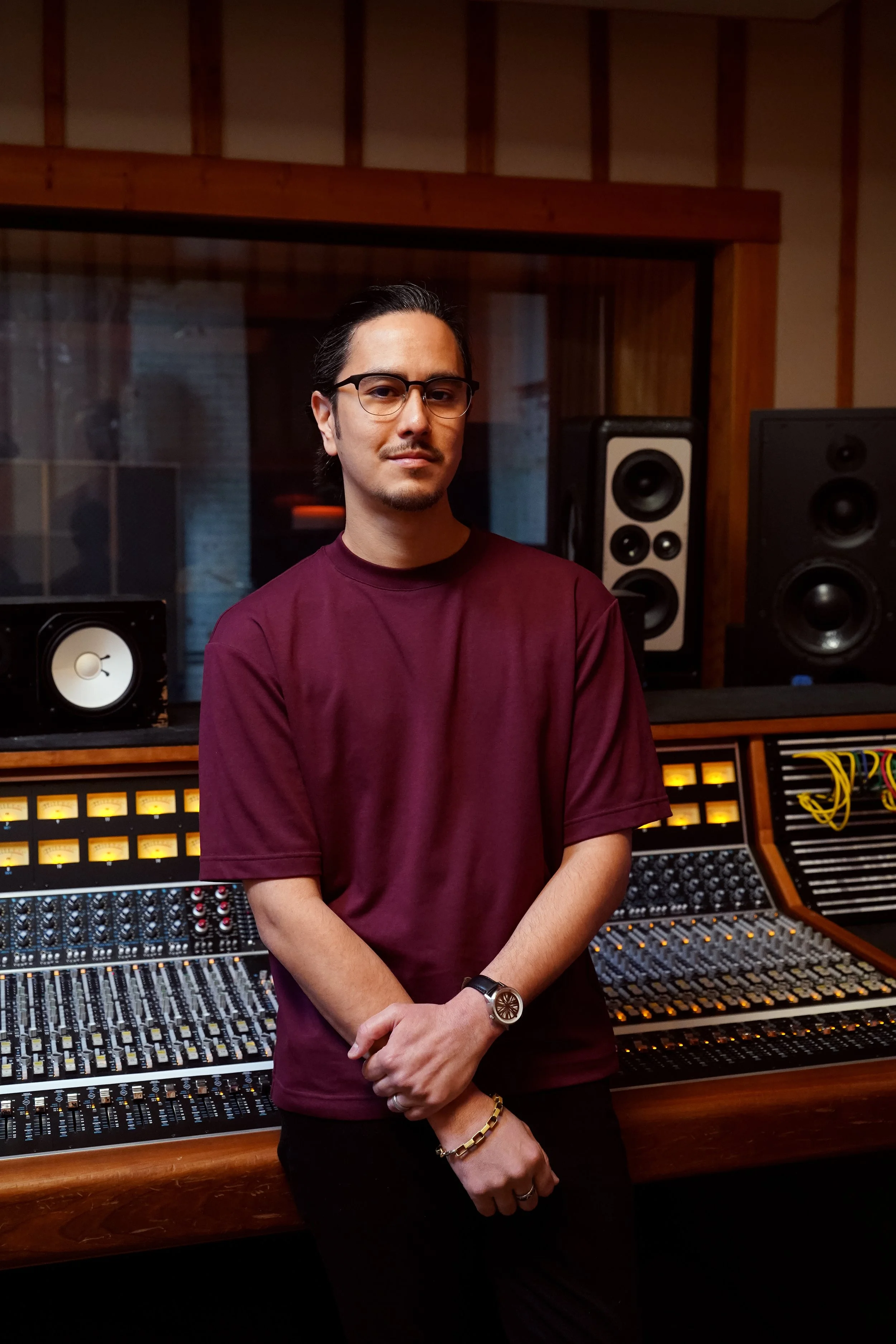
Bob Horn
(BTS, Usher, Michael Jackson, Lupe Fiasco)
“HiFAL is my ultimate go to for that final sheen/polish on a mix. The features are incredible and I love the ability to control the high end of a mix without compressing the lowend. If you ever felt you were missing that pro hi end in your mixes…this is how you get it!!”
-
![]()
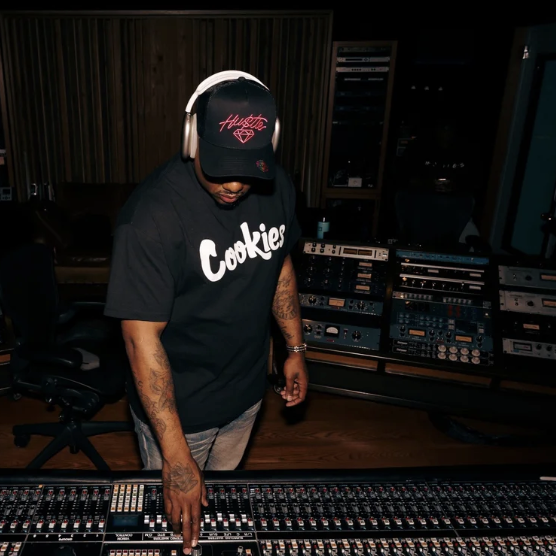
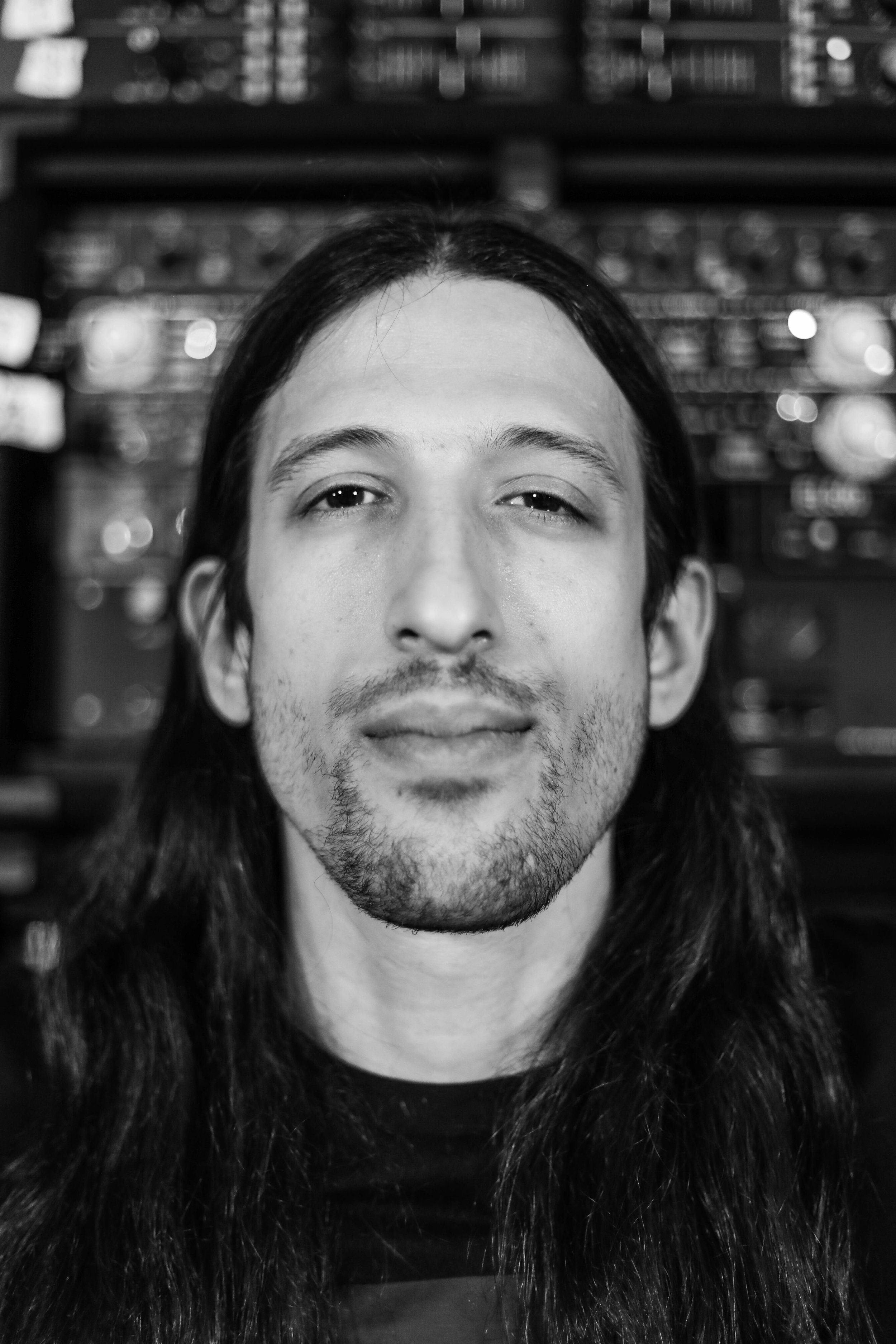
MsM Engineer
(Skepta, James Blake, Mahalia)
“HiFAL 2 might feel subtle but once you’ve dialed it in and hit bypass you will hear why it’s special. This is tasteful top end done well. It’s unmatched at getting rid of unwanted energy in the mids and tops, making music sound expensive again”
-
![]()
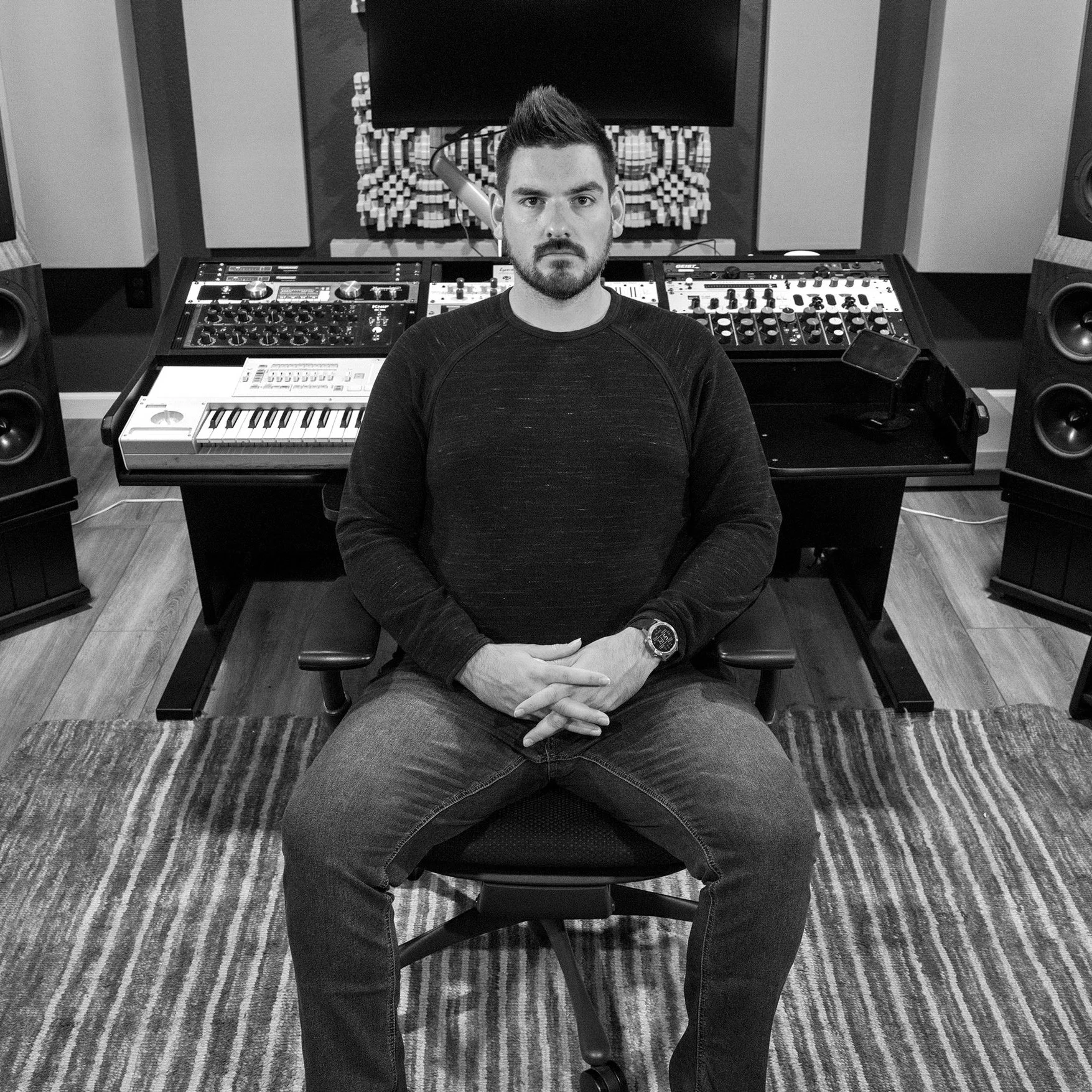
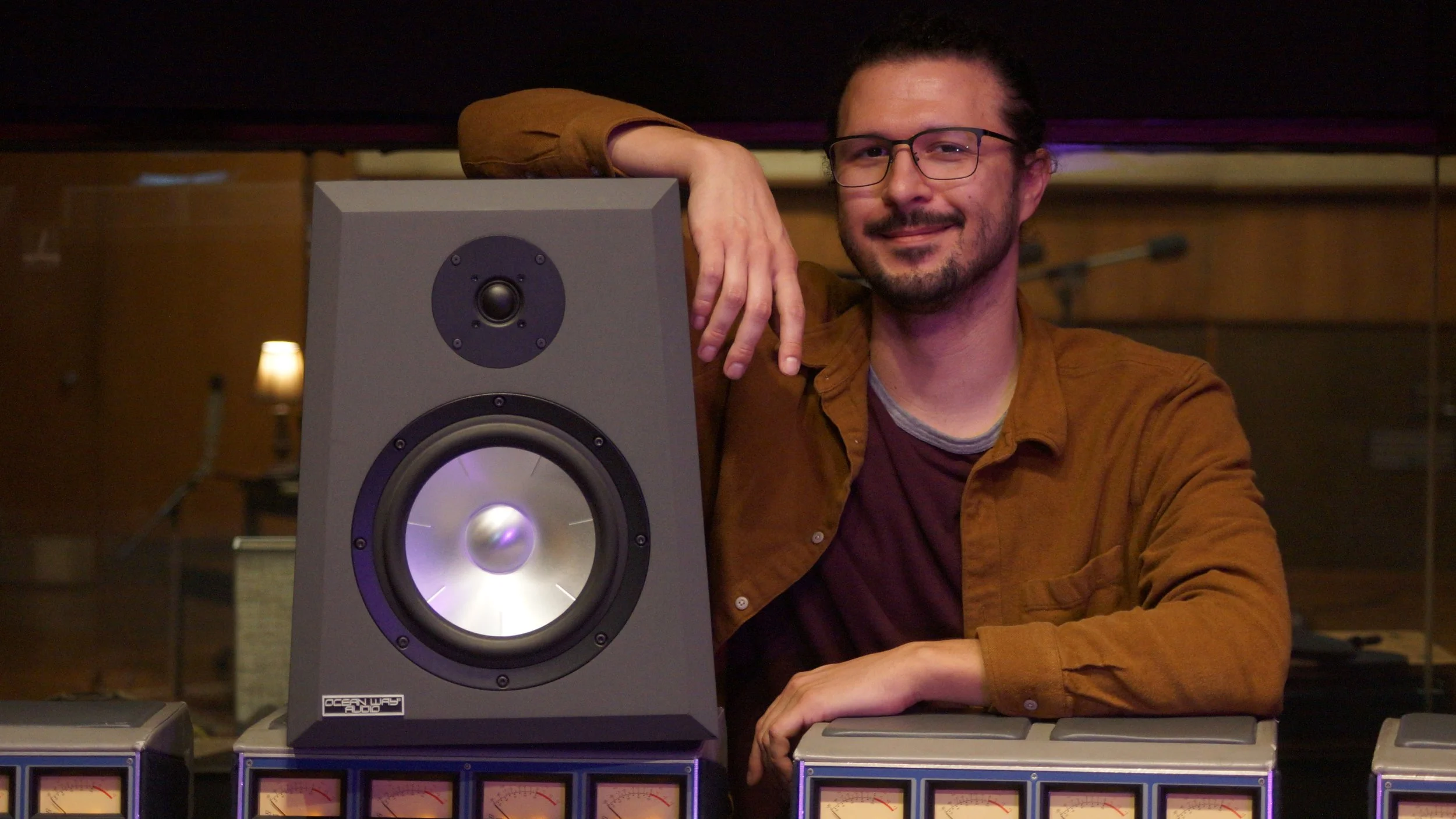
Glenn Schick
(Future, J. Cole, Missy Elliot)
"I'd always missed the sound of my analog high-frequency limiters from Maselec and Neumann since moving 'in the box.' HiFAL 2 not only brought that sound back, but its new features have made it a go-to tool in my mastering chain."
-
![]()
Preston "Prizzie" Reid
(Omah Lay, Muni Long, Tyla)
“HiFAL 2 officially made its way into my template. It's almost like adding a halo to the top end of whatever you put it on. Amazing!”
-
![]()
Morning Estrada
(Ye, Ty Dolla $ign, Rosalìa)
“I’m Morning Estrada and if you don’t use HiFAL 2 then F*** You! “
-
![]()
Chris Tabron
(Beyoncé, The Strokes, Lianne La Havas)
“HiFAL 2 quickly became my first call tool to control the top end on vocals and other sources without having to sacrifice any detail or clarity. It not only solves problem areas, but also lets me push things a bit further into the upper frequencies without losing a refined sheen.”
-
![]()
Craig Bauer
(Kanye West, Ed Sheeran, Rihanna, Kurt Elling)
“Why does this Ryan dude keep putting out these incredible plugins? Now I have to go back and wildly improve all kinds of sounds in a bunch of old mixes with this HiFAL 2 deal. And it works on all kinds of things you wouldn’t expect.”
-
![]()
Benjamin Thomas
(Lil Uzi Vert, Meek Mill, Jazmine Sullivan, Future)
“High end clarity vs control always felt like a trade-off. With HiFAL 2, I don’t even think about it anymore. I throw it on my vocals or master, dial it in, and instantly everything locks in. Schwabe Digital = cheat codes for music makers”
-
![]()
Ohad Nissim
(Chris Brown, Ciara, FLO)
”HiFAL 2, no bypass button needed - it earned its place in my chain from the very first listen.”
-
![]()
Nico Cotton
(Juanes, Jorge Drexler, Cazzu)
“HiFAL 2 is killer. It tightens up the top end of my mix and keeps it focused, while taming those harsh spots in a super musical way. Totally locked into my master bus next to GOLD CLIP.”
-
![]()
Zino Mikorey
(Yung Lean, Nils Frahm, Ólafur Arnalds, Fred again...)
“Thank you Ryan for creating my absolute favorite High freq shaper! It’s sounding so f***ing good and is so intuitive to use - a true joy to play and work with!”
-
![]()
Nacho Sotelo
(Mon Laferte, Carla Morrison, Carly Rae Jepsen)
“Rarely does a plugin impress me this quickly. You can hear the work, care and taste put into it. The obvious improvement had me adding it to my favorites before I even finished the first session with it. Ahí nomás...”
-
![]()
E. Dan
(Wiz Khalifa, Mac Miller, J.I.D)
“One of very few desert island plug-ins for me. HiFAL 2 beautifully and transparently handles high end harshness on my mixes and tracks unlike any other tool I have. Well done Schwabe Digital!”
-
![]()
John Nathaniel
(OneRepublic, Shawn Mendes, Akon)
“HiFAL2 makes it so easy to dial in that expensive sounding top end sheen, it’s absolutely brilliant!”
-
![]()
Richard Furch
(Prince, Assassin's Creed, The Lost Boys Musical)
“HIFAL came out and filled a void we didn't even know we experienced. It's both powerful and subtle and smoothes out a track quite differently from any other spectral processor. V2 continues the excellence and the extra parallel MS features are so useful.”
-
![]()
Calin Enache
(IDK, Offset, Benny the Butcher, Denzel Curry)
“HiFAL 2 is crazy, but I exclusively endorse MixWave plugins.😂“
-
![]()
Elaine Rasnake
(Boyscott, Clarion, Chase Petra, Sadurn, Gregory and the Hawk)
"HiFAL 2 does an absolutely beautiful job at taming the high end of my masters. Now I can transparently clean up harsh frequencies while maintaining clarity and excitement without having to reach for extra plugins thanks to its built in parallel limiter”.
-
![]()
Ryan Schwabe
(Baauer, BAYNK, Ellie Goulding, Tobi Lou)
“I spent nearly three years building HiFAL 2 before it came out. From the very first alpha, I used it on every mix and master. This one’s special to me.“
-
![]()
David Gnozzi
(McSolaar, Dweezil Zappa, Alyssa Raghu)
“HiFAL has been on all my mixes and masters since day one. I didn’t think it could get any better, but this new version is seriously impressive. More powerful than ever, now a great enhancer too, yet still incredibly easy to use.”.
-
![Keith Ross]()
Keith Ross
(J. Balvin, Jill Scott, Missy Elliott)
“HiFAL 2 is the tool I never knew I needed and never want to live without. There’s nothing like it on the market. It’s a permanent go-to for me.”
-
![]()
Sam Sherbin
(Stray Kids, CL, Etham)
“HiFAL 2 helps control the top end in ways other plugins can’t. A must have in the arsenal!”
-
![]()
Stefan Brown
(Abbey Road Studios)
“HiFAL 2 has been on almost every master I’ve done since first testing! HiFAL allows me to get an amazing pop high end sheen without any harshness. I’m truly impressed with both its ability to soften and control pesky peaks, whilst enhancing the high-end clarity with its parallel limiter.”
-
![]()
Louie Valentino
(Chingy, The Game, Jim JOnes)
“HiFAL 2 is far from your standard limiter—it’s a game-changer. With its unique features, it elevates my mixes to a whole new level while preserving the integrity of the final product. This plugin has quickly become my go-to choice for the finishing stages of every mix.”
-
![]()
Johnny Morgan
(Kendrick Lamar, Panic! At The Disco, Beach House)
“Schwabe means innovation. Having used an old acceleration limiter in various scenarios, I always loved the sound but wished for more flexibility. HiFAL takes that sound and not only exemplifies it but adapts it to the modern workflow. Worth every penny!”
-
![]()
Noah "MIXGIANT" Glassman
(PinkPantheress, Amarae, Burna Boy, Rico Nasty)
“Nothing hurts my soul more than unlistenable top end that pulls you out of a record. With the majority of modern music being produced digitally, HiFAL 2 is essential.”
-
![]()
Orlando Ferrer
(Kany Garcia, Will Smith, Elena Rose)
“With HiFAL 2, the highs feel polished and exciting in a way that reminds me of the analog gear used on the classic records I grew up with. It really blurs the line between digital and analog results.”
-
![]()
Eric Emery
(Blink-182, Yellowcard, Alice Cooper, Alkaline Trio)
"HiFAL is one of those plugins you don’t realize you need until you try it. Any time something in the mix starts sounding a little too sharp or fatiguing, I throw it on, and it just smooths things out. It takes away the harshness without dulling the track, and everything instantly feels easier to listen to.."
-
![]()
David Nakaji
(Doja Cat, Post Malone, Shaboozey)
"I've been chasing the top end this processor gives you for years. I haven't found a bad application for it yet."
-
![]()
Josh Gannet
(WuTang, Redman & Les Paul’s Trio)
“HiFAL 2 is so much more than I initially thought it was. It’s become a part of my regular track-level work flow and also has a home on my mix bus!”













-
![Paralimit]()
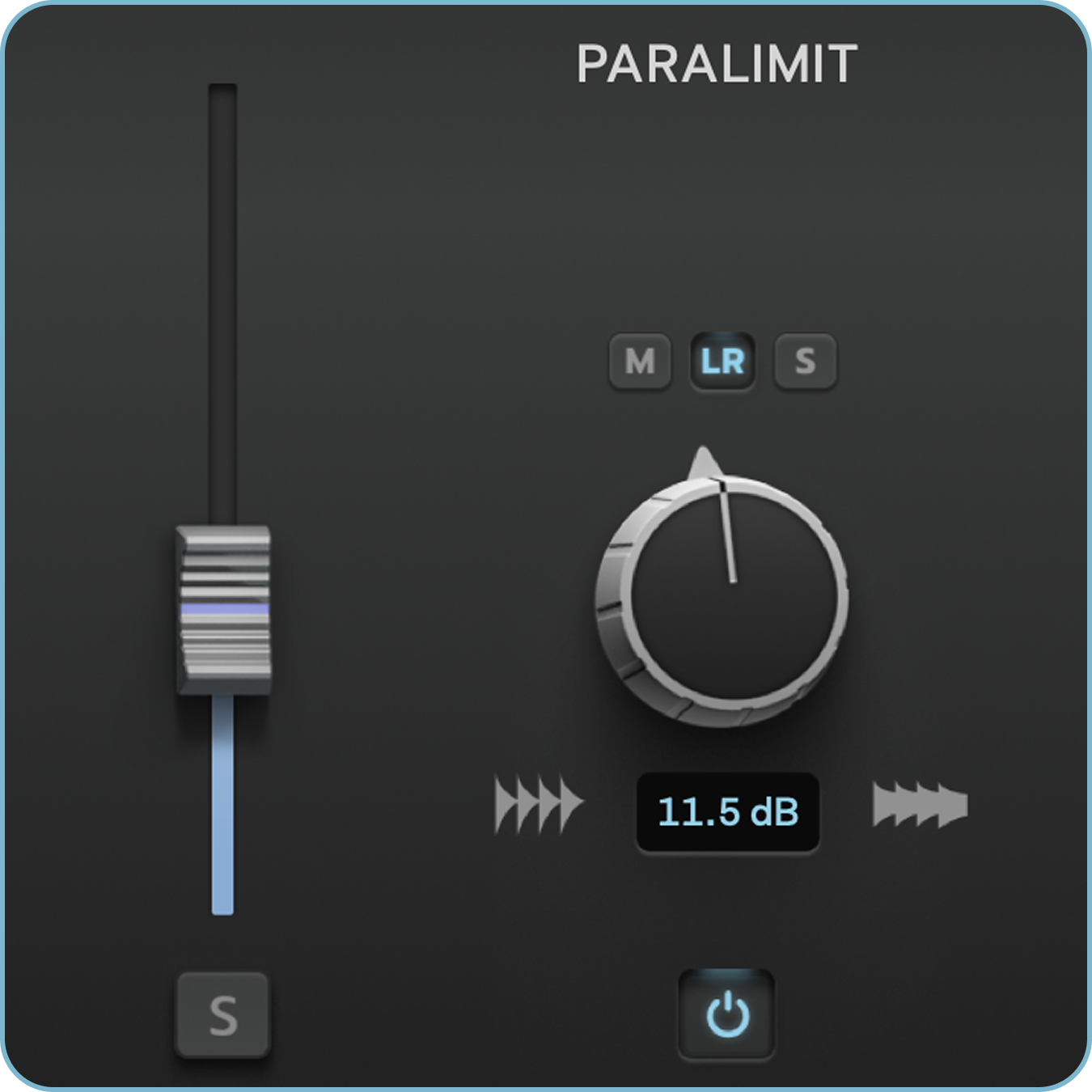
Add high-frequency density to the Side channel for clean widening, to the Mid for narrowing, or select L/R to maintain the stereo image.
-
![]()
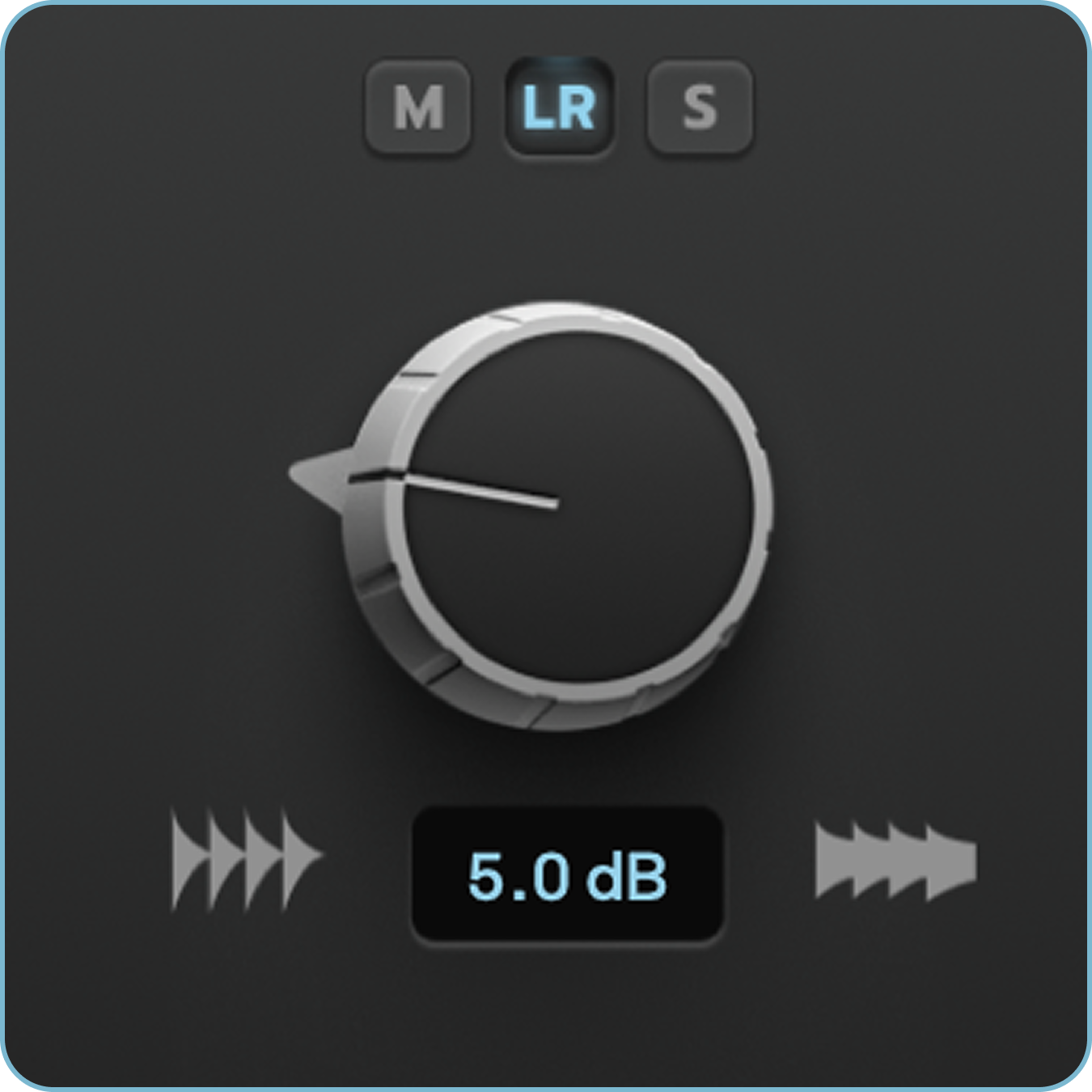
Control threshold and makeup gain with a single knob for simple dynamic parallel processing.
-
![]()
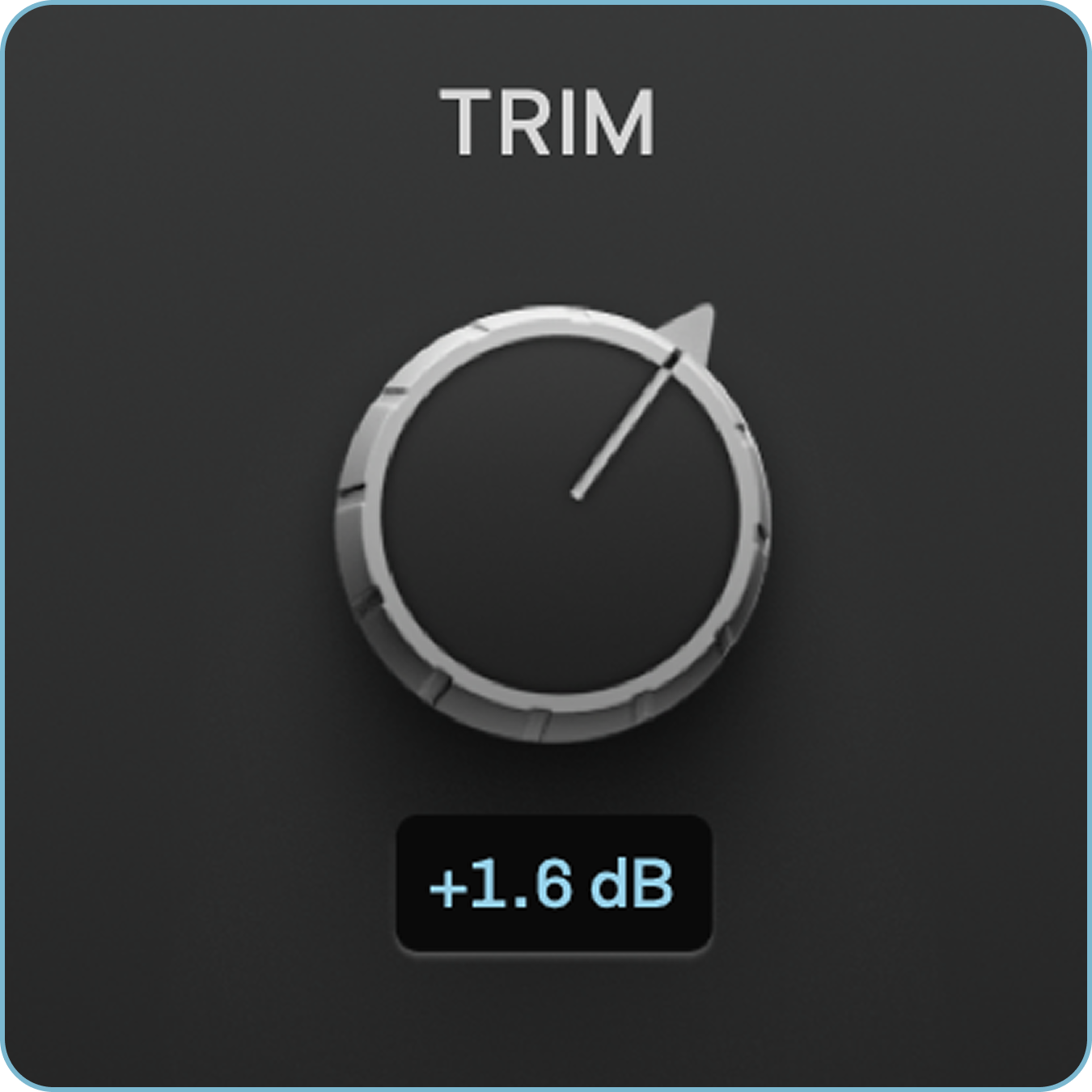
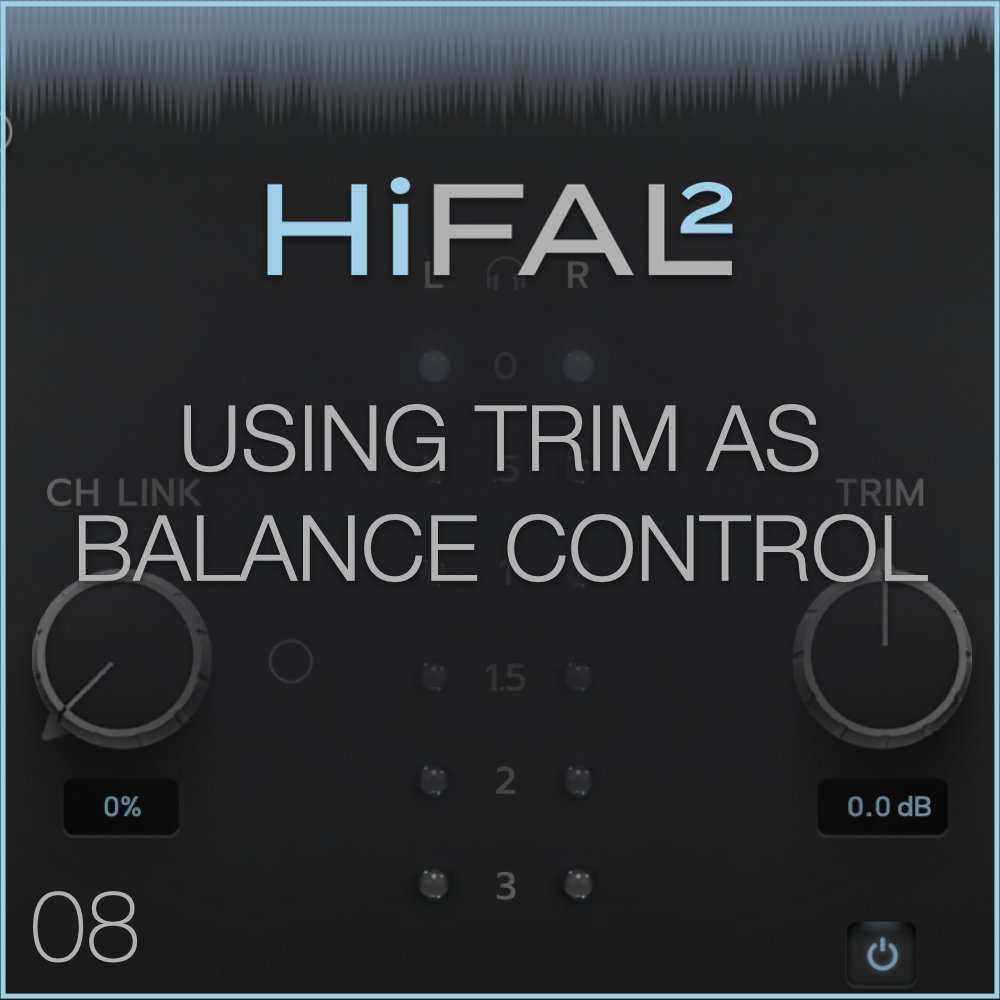
Brighten or darken the top end with a simple gain adjustment to the main HiFAL process band.
-
![]()
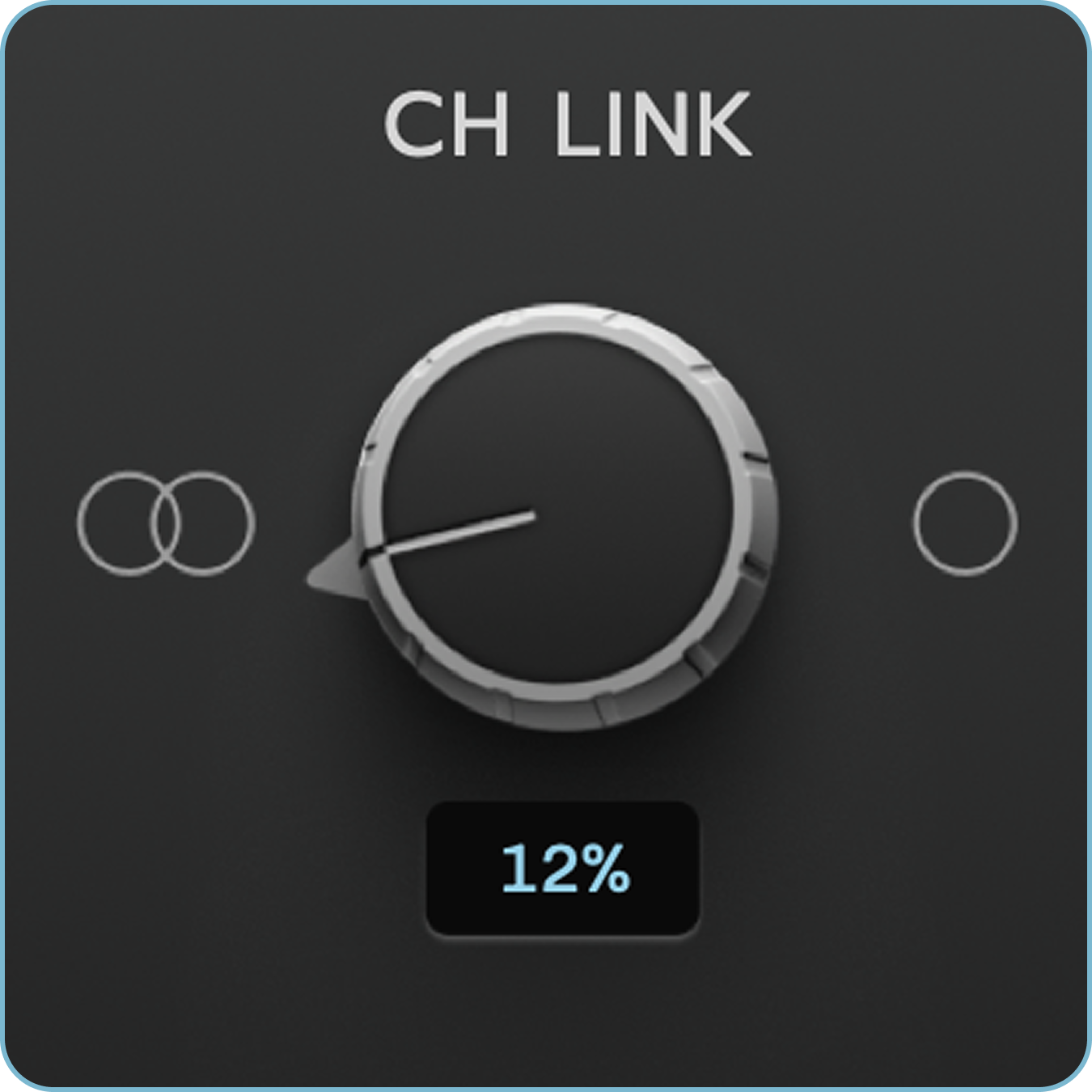
Set the distribution of gain reduction—from linked-average stereo detection to full dual-mono control
-
![]()
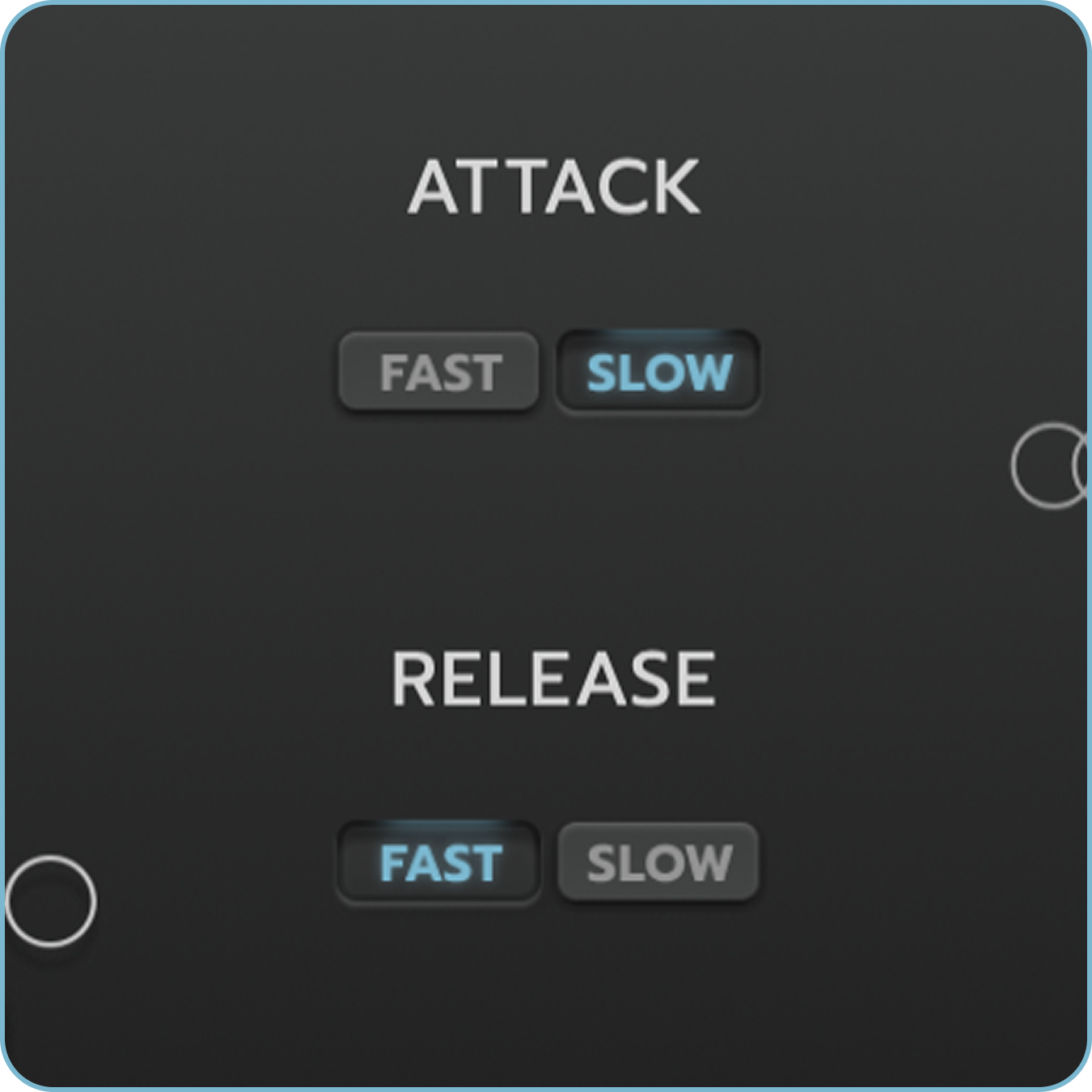
Variable attack and release driven by acceleration limiting. Fast for tighter peak control, Slow for open transients and softer recovery. Both adjust in real time to gain reduction.
-
![]()
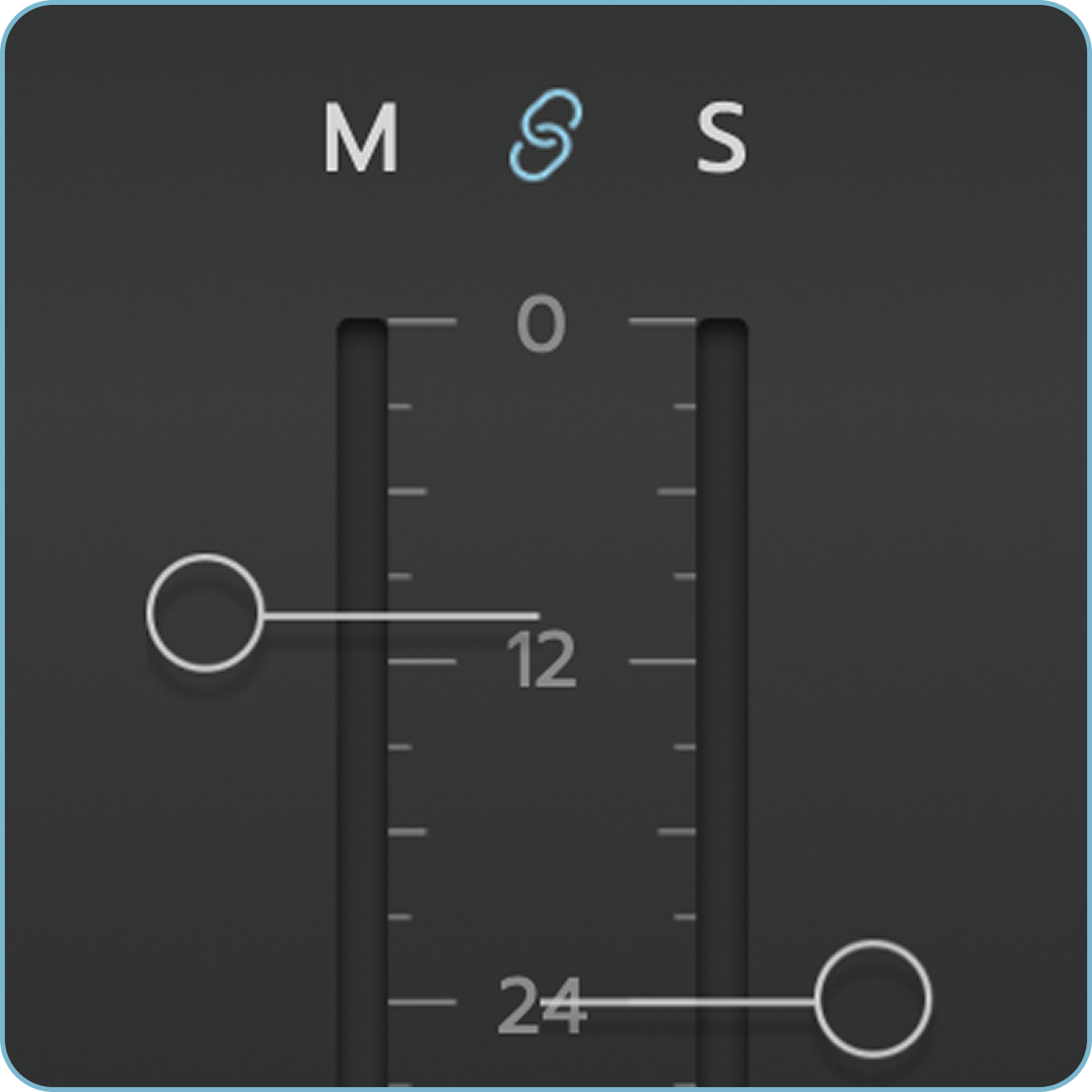
Independent channel thresholds in Mid/Side or L/R for precise control over high-frequency dynamics and stereo imaging.
-
![]()
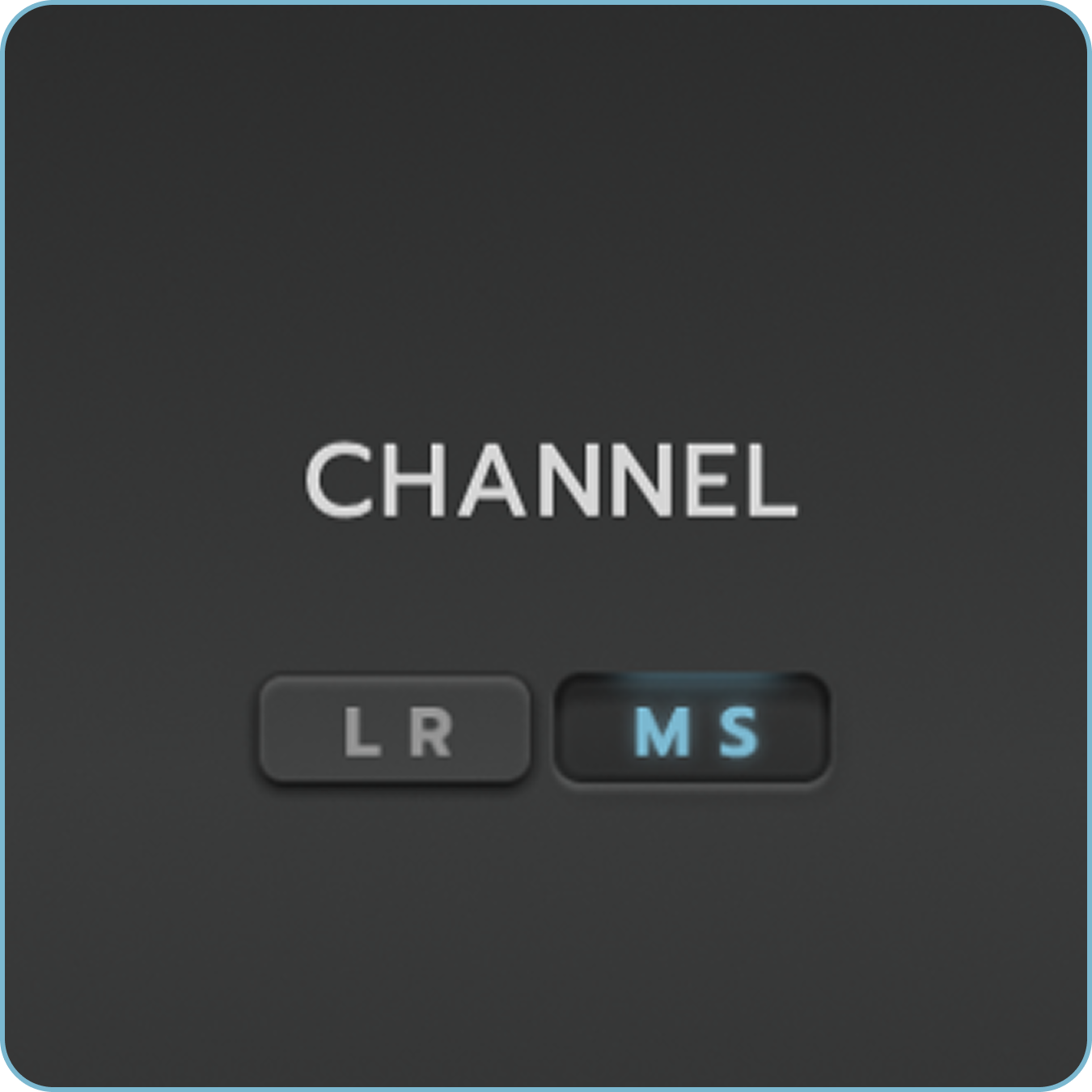
Switch between Left/Right and Mid/Side processing to apply dual-mono acceleration limiting across the stereo field
-
![]()
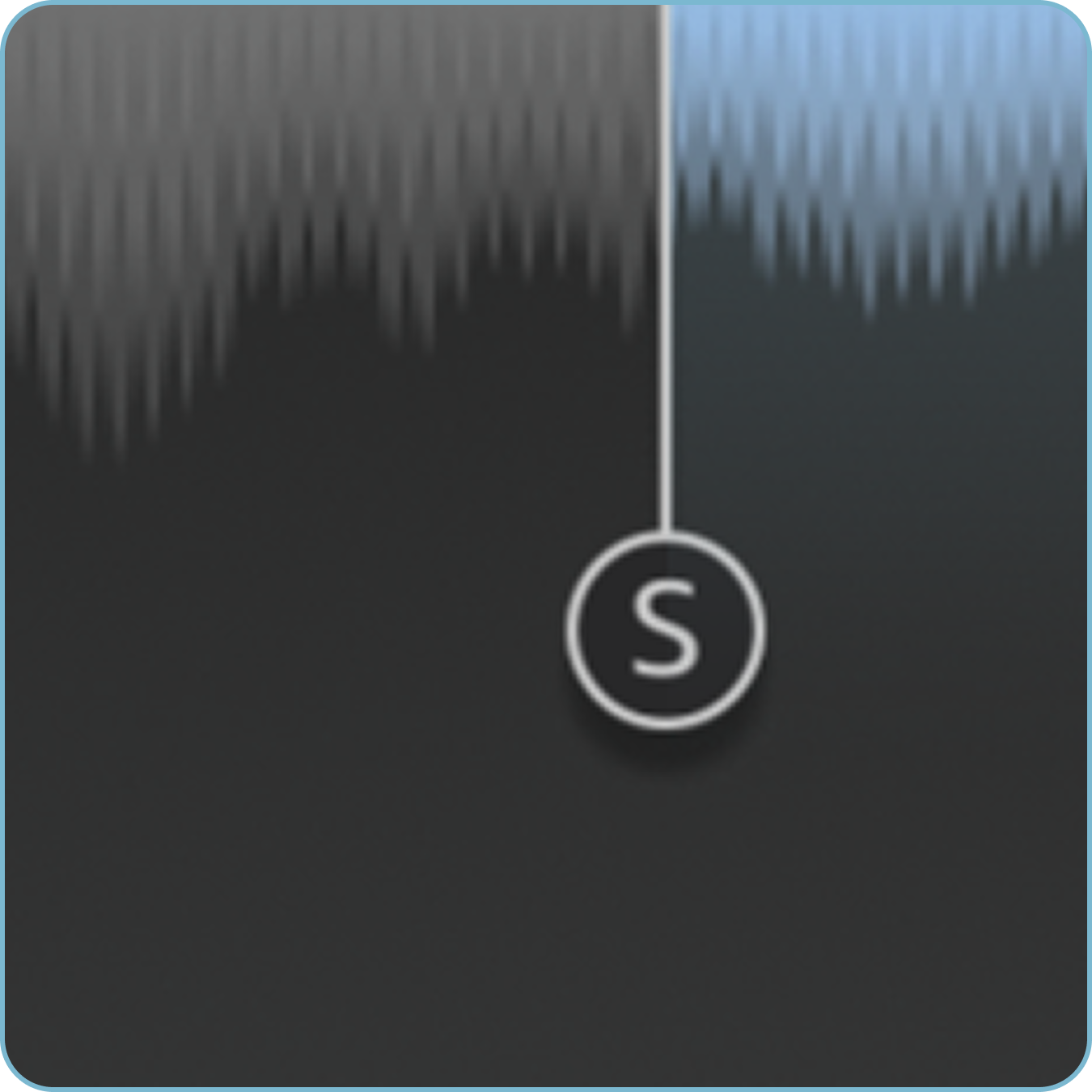
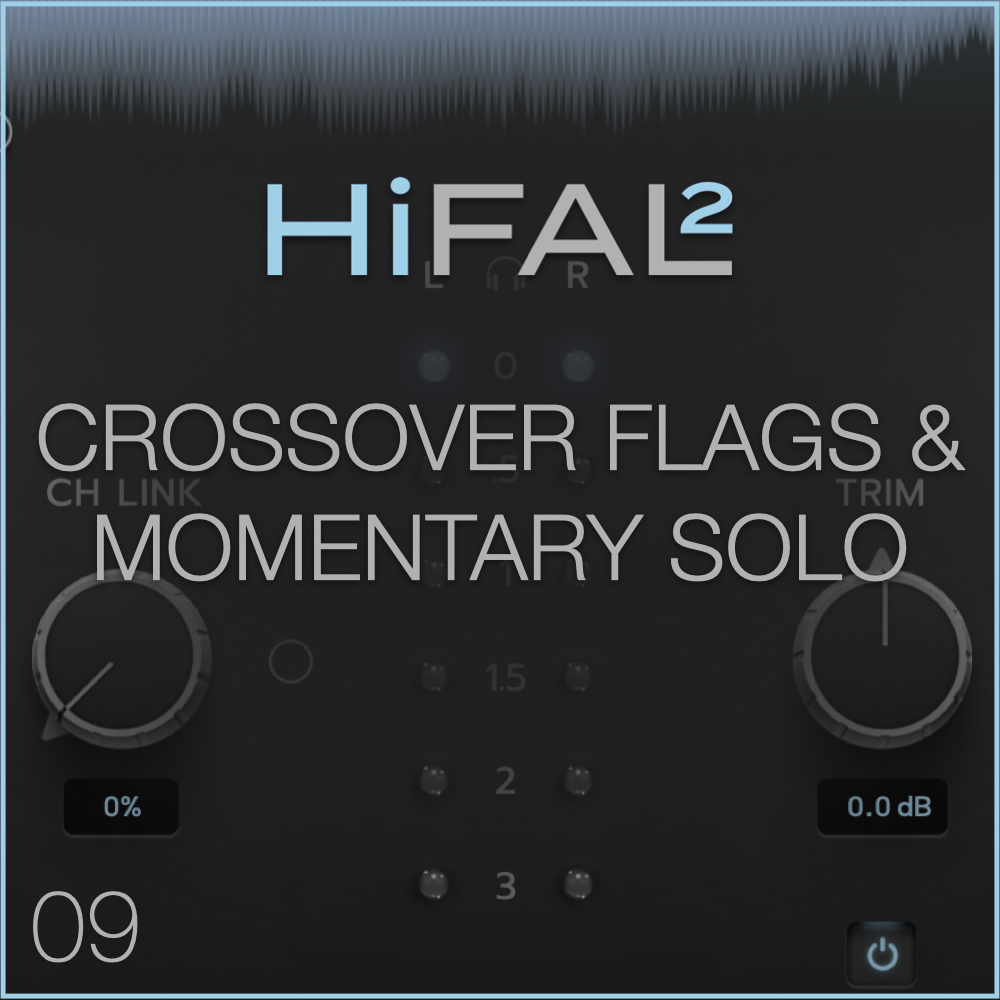
Quickly isolate the band being acceleration limited. Right-click to solo or click S to toggle Solo.
-
![]()
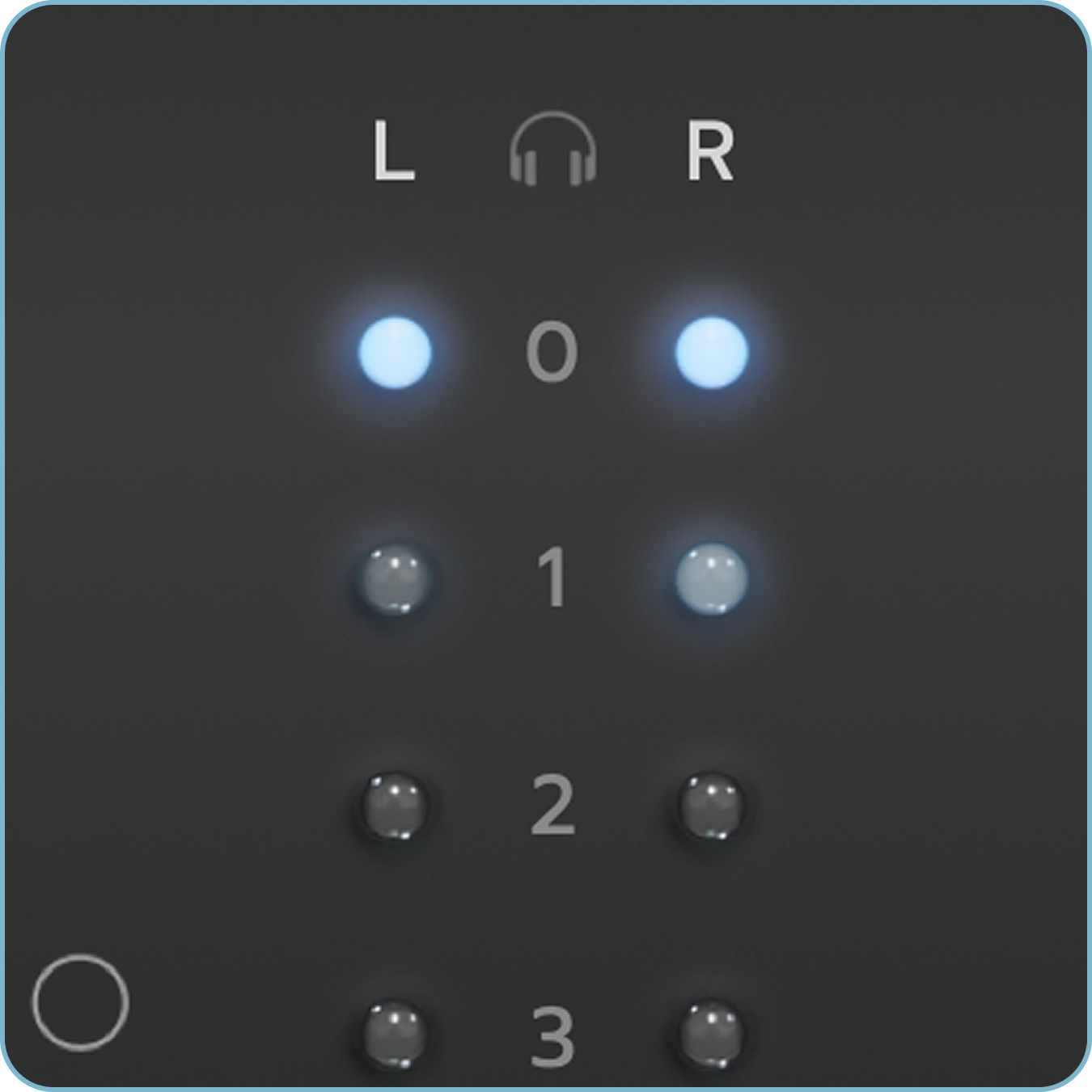
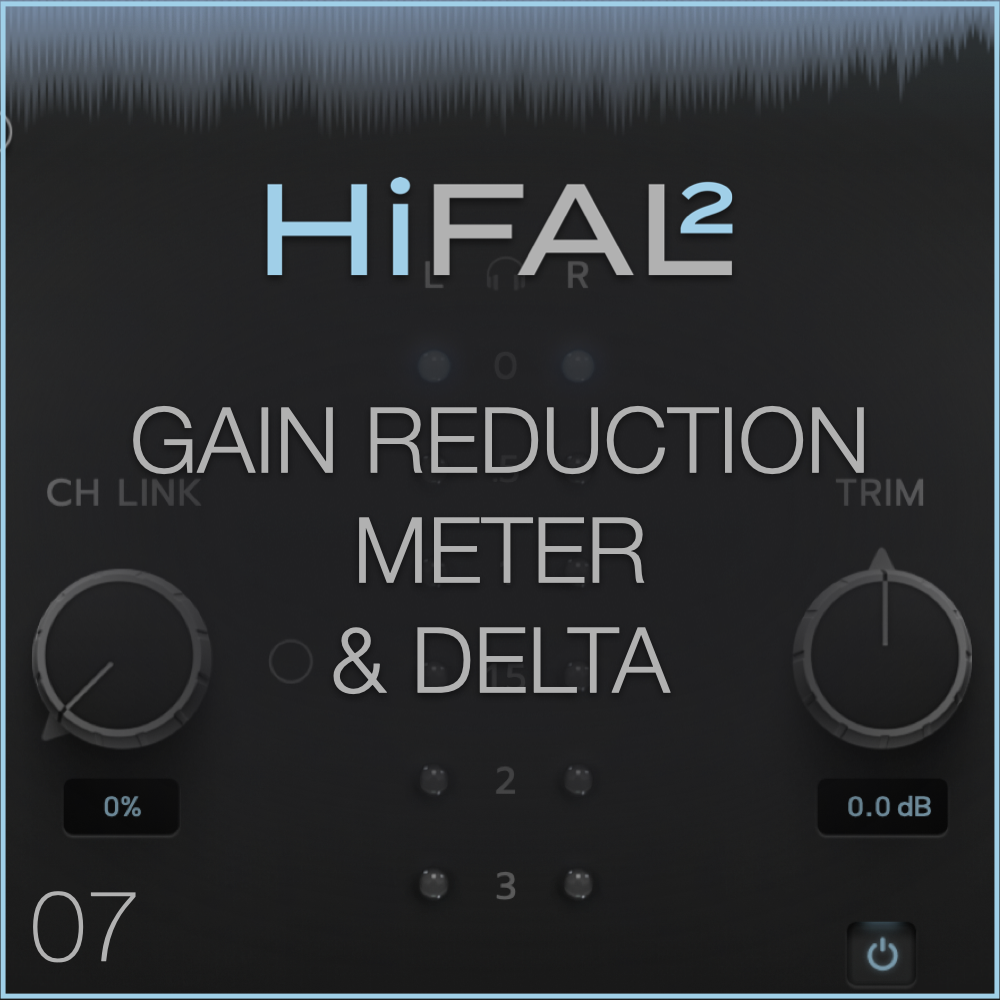
Continuous LED gain reduction display with 3 dB, 6 dB, and 12 dB zoom ranges.
-
![]()
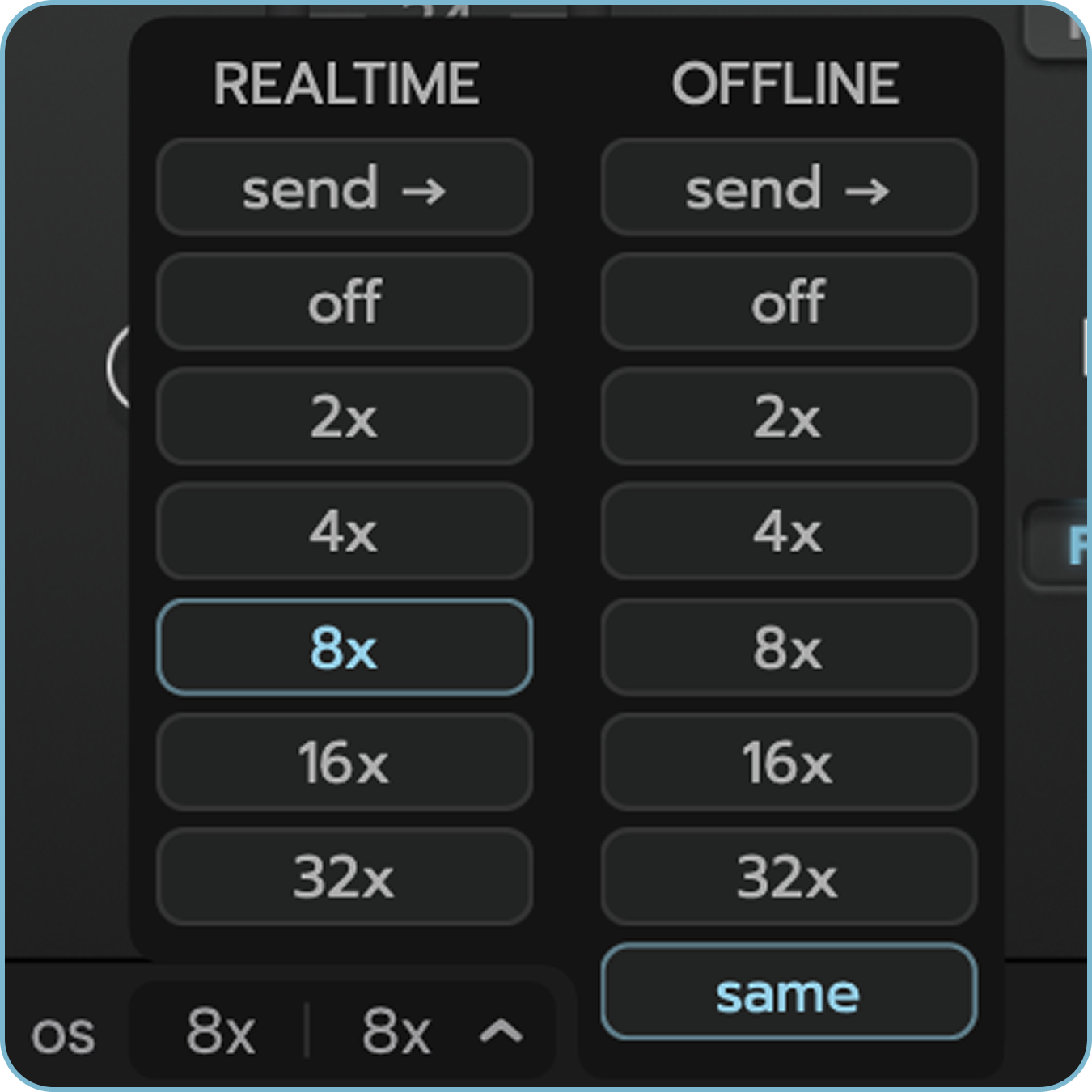
Set independent real-time and offline oversampling settings, then send them to all other instances of HiFAL 2 in your session.
-
![]()
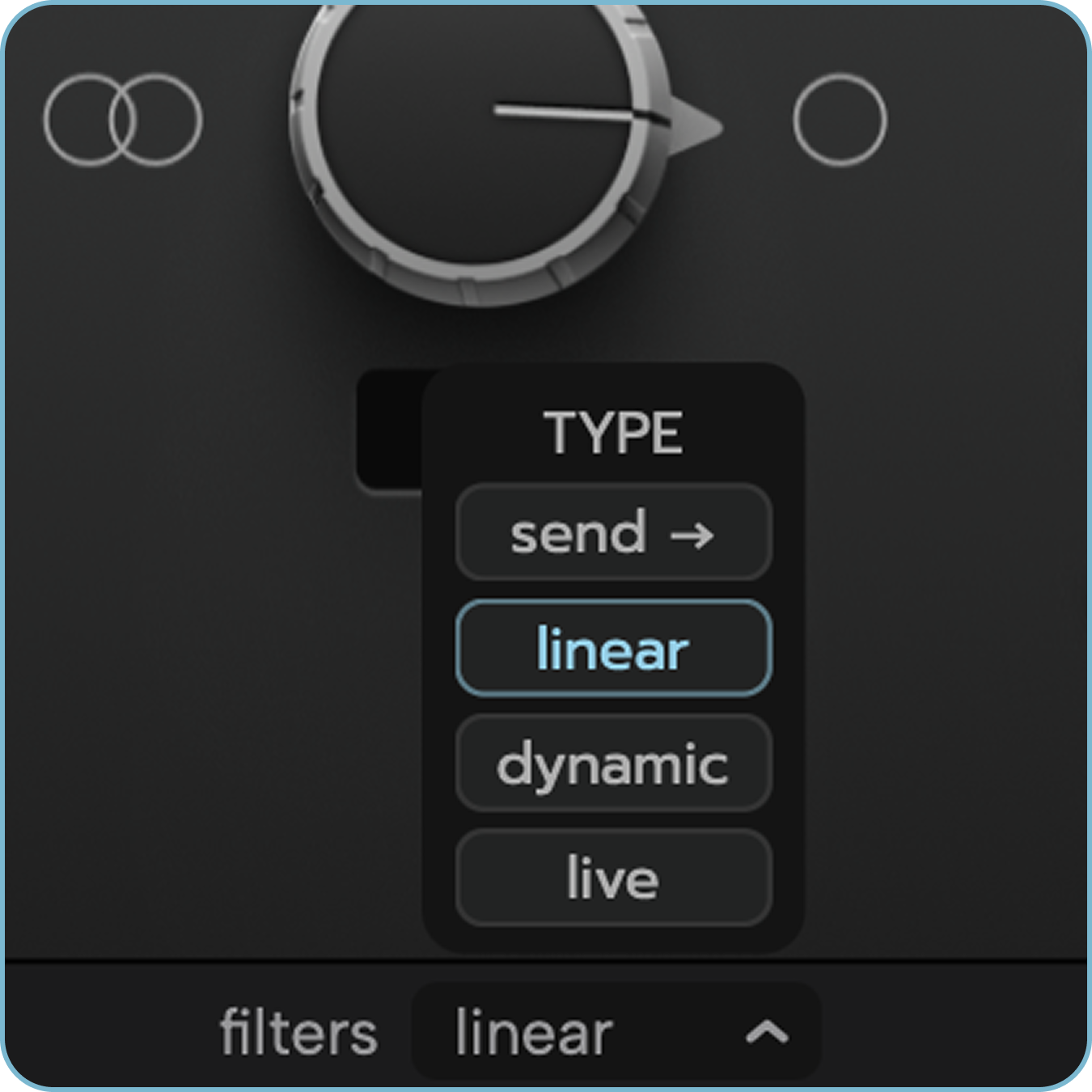
Choose Linear for perfect phase response, Dynamic for enhanced transient detail, or Live for zero-latency processing, then send your selection to all other HiFAL instances in your session.

HiFAL is a High Frequency Acceleration Limiter
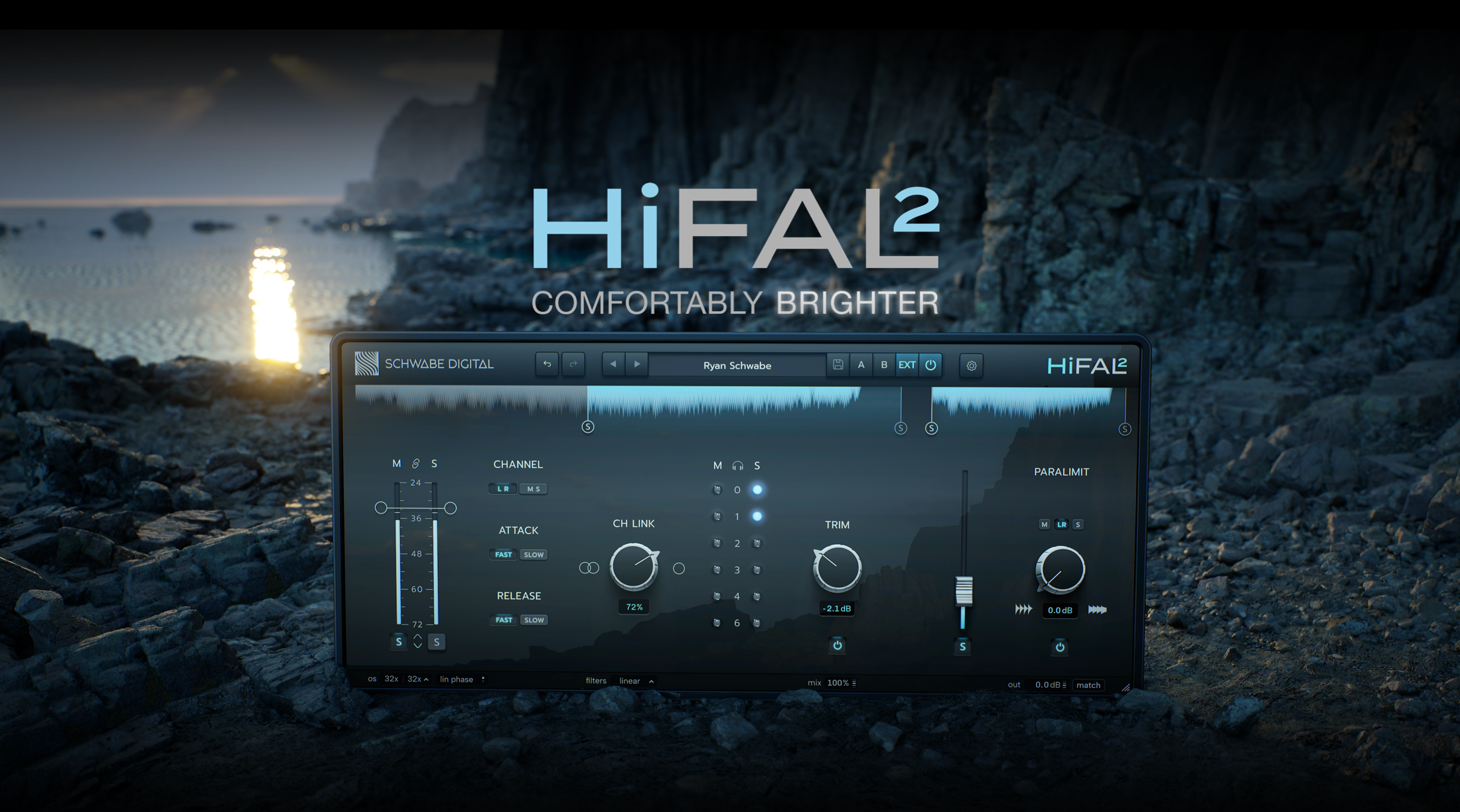
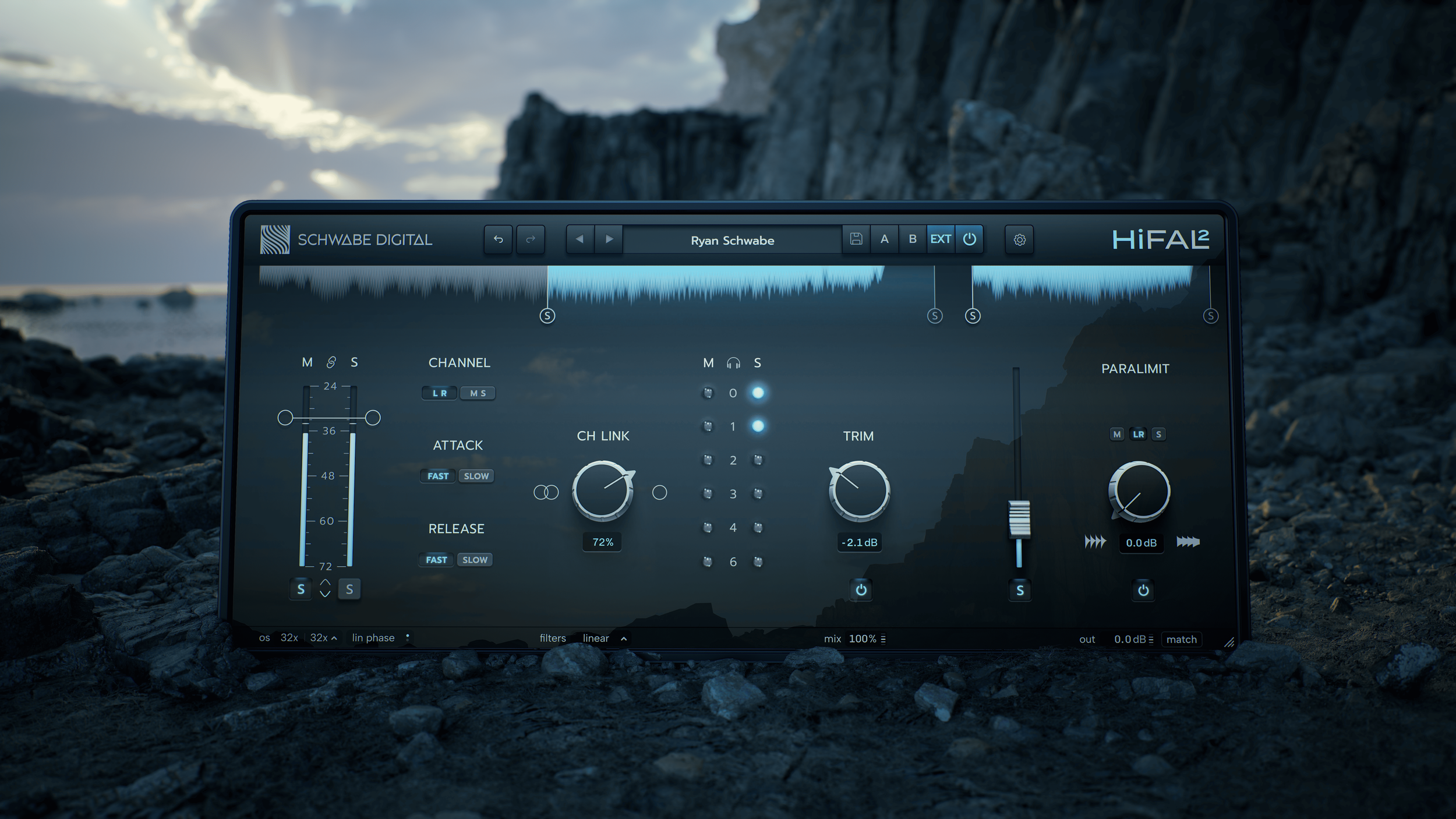
HiFAL (pronounced High Fall) brings a classic vinyl-era mastering approach into modern mixing and mastering. It’s a dedicated high-frequency dynamics tool that smooths brightness without dulling the mix. With adaptive attack and release, transients stay natural while harsh peaks are controlled without losing their shape. On the mix bus, in mastering, or on individual tracks, HiFAL delivers a bright, controlled top end that goes beyond what equalizers, suppressors, or compressors can achieve.
Learn more about HiFAL 2 in our blog series below
LISTEN
Naeem / Spank Rock - Bankroll Peelers A
Naeem / Spank Rock - Bankroll Peelers B
Dariel Amant - A Night Out A
Dariel Amant - A Night Out B
1 tbsp - Limosina (ft. Cherry Cola) A
1 tbsp - Limosina (ft. Cherry Cola) B
COMPATIBILITY
Mac OS
Mac OS 10.13 or higher
Native Silicon Support (recommended)
Apple Intel - Intel Core 2 Duo or higher, 4GB RAM minimum
PC
Windows 11 (recommended), Windows 10 (supported)
Intel Core 2 Duo / AMD Athlon 64 X2 or higher, 4GB RAM minimum



HiFAL 2 (High Frequency Acceleration Limiter, pronounced “High Fall”) brings a classic vinyl mastering technique into the modern era. Using an often overlooked approach to high-frequency processing, HiFAL 2 lets you shape brightness, transient detail, and stereo image as subtly or aggressively as your mix needs. Designed for the mix bus, HiFAL 2 is jsut as useful anywhere in your mix where high frequencies need attention.