
One Year of Gold Clip
From launch to legend, GOLD CLIP has come a long way in one year.
Several months before the release, I started an Instagram to talk my way through the making of Gold Clip. I made endless memes, bleached my hair gold, and sh*t posted my ride through the long and difficult development process. I made the project an open diary and chaotically posted "coming soon" everyday. A lot of you made suggestions along the way and even got involved in Gold Clip’s early development. Many of those comments and DMs were instrumental in what it is today. It was a wild ride and I never expected how long it would take to get over the finish line. And once I crossed that line, I didn’t expect it to end up in the hands of so many legendary creators around the world.
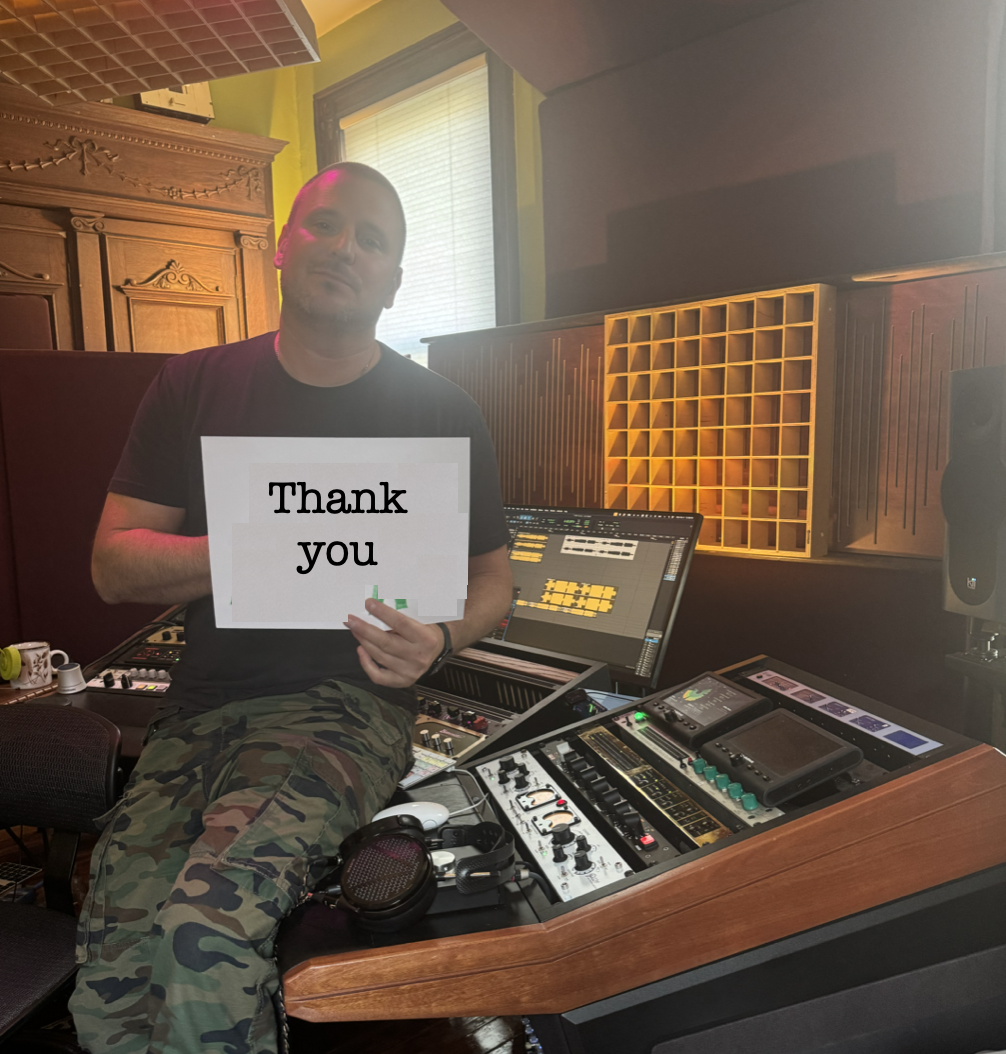
At the time of the release, I was an Associate Teaching Professor of Recording Arts and Music Production at Drexel University's music industry program and a full-time mixing and mastering engineer. Originally, I built Gold Clip for my own work as an engineer. It was a passion project that took over my life for nearly three years. Every dollar I made in music I dumped back in to Gold Clip. My music friends grew tired of hearing me ramble on and on about compression without attack and release. It was a long ride, but I had some trusty co-pilots and I just kept it moving. I told myself that if I didn't use Gold Clip in my own work, then I wouldn't release it. And that has been the ethos for all of my plugins since.
Schwabe Digital is here to stay. I can't tell you too much about my future plans right now, but I am making some new and innovative tools. First, we will release our debut FREE plugin - something simple and cool for the culture. Then, I cannot wait to share with you the next device, a FREE add on plugin for all Gold Clip owners. Gold Clip will become Gold Clip Pack. We are grateful for all of your support and want to give back to what you all started. After all that, we will release a new groundbreaking plugin that I have been using on all of my masters since the first alpha version. More on all of that later.
Be well,
Ryan Schwabe
Grammy-nominated and multi-platinum mixing & mastering engineer
Founder of Schwabe Digital
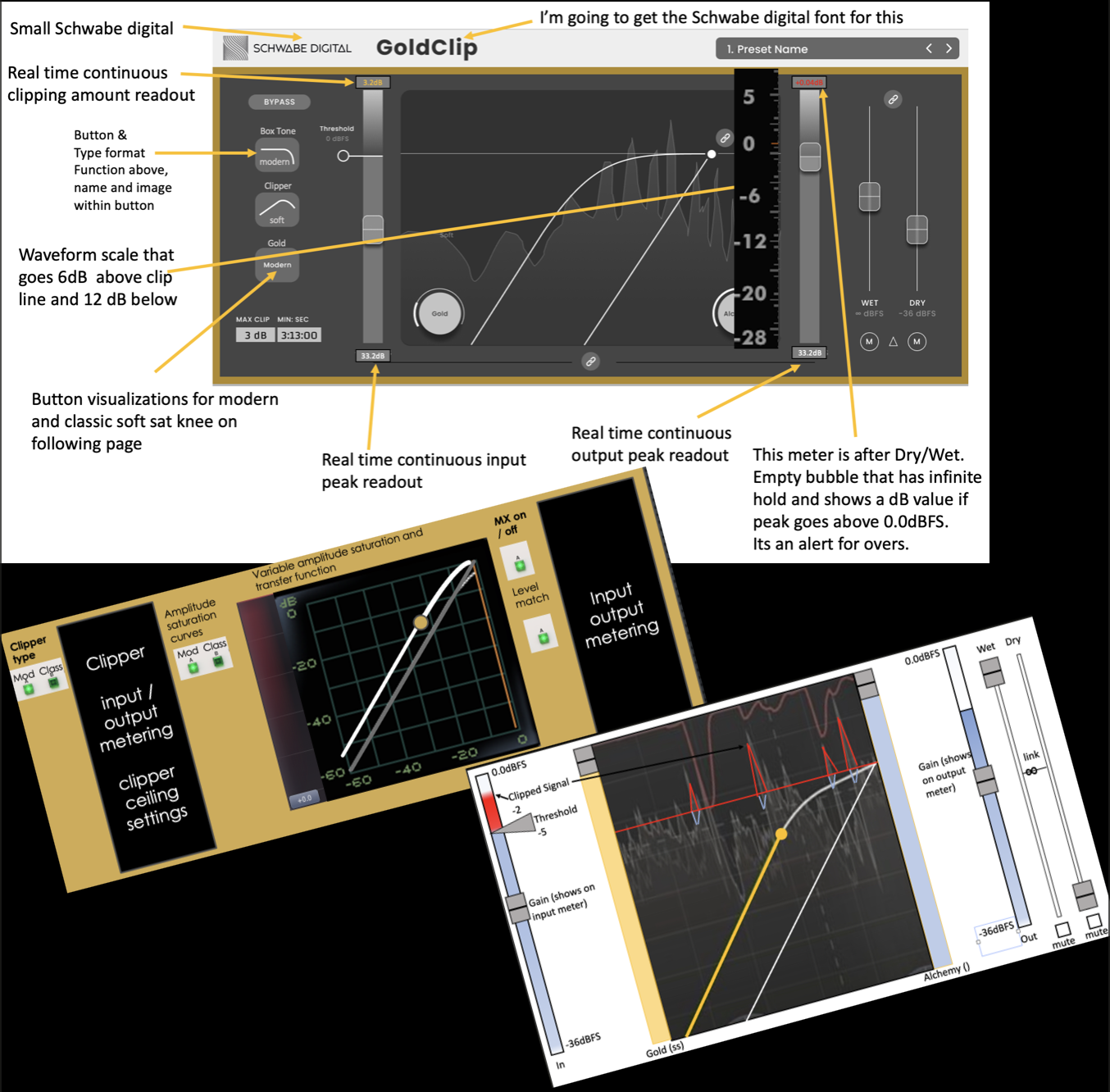
Five years ago, before Schwabe Digital even existed, I was sitting in my bedroom studio in West Philadelphia with some sketches in a notebook and a few transfer curves plotted out in Excel. At some point, I just Googled, “How do you build a plugin?”
It’s been a minute. Between studio work and plugin development, the team has been quietly growing. Researchers, programmers, mathematicians, product specialists and GUI designers all working together on some of the most exciting tools I imagined making.

Start your free 30-day trial and see how easy it is to set up HiFAL on your mix bus in 6 simple steps.

HiFAL (pronounced High Fall) adapts a classic vinyl-era mastering technique for modern mixing and mastering. It’s a smart, adaptive, and transparent high-frequency acceleration limiter capable of smoothing brightness without dulling the mix. Powered by our adaptive attack and release technology, transients stay natural while harsh peaks are tamed without losing their shape. On the mix bus, in mastering, or on individual tracks, it delivers bright, clean, controlled top end beyond what typical EQs, suppressors, and compressors are capable of.
In this episode of the AGARTHA Podcast, I break down how clippers and limiters shape the sound of modern mixes.
You know that endless debate about DAW “sound”? The one where half the internet swears Logic sounds different from Pro Tools, while the other half rolls their eyes and screams “32-bit floating point math is math!”
Plot twist: They are both right. And both wrong.


We have two simple yet very useful FREE updates for you. Surgical clipping and right-click to solo!

I sometimes get a lead single that sounds drastically different from the rest of the project. Maybe it was mixed by a different engineer, or just labored over with more detail and intensity. And sometimes, I’m not even told the song is part of a full-length project. Then, weeks later, the rest of the EP or LP shows up—and it’s tough to match tone or loudness because the new material feels completely different.

In our recent emails, we explored how to simplify equalization by working with octaves. If you missed them, you can check out the full breakdown here, where I go through all 10 octaves and share practical tips for approaching each one. But EQ decisions aren’t just technical—they’re shaped by how we hear sound, how listeners interpret it, and our own personal preferences. Balancing these three factors is key to crafting a well-rounded mix, yet it’s often one of the biggest challenges in mixing and mastering.

The all-new GOLD CLIP PACK 2025.2 is HERE!
We’ve made oversampling easier—no more digging through menus. Now, it’s right there in the new Schwabe Digital Footer, just like in Orange Clip 3. A smoother, more intuitive experience for making the nuanced decisions that oversampling requires.
This update includes a fix for M4 Macs and other small improvements as well.
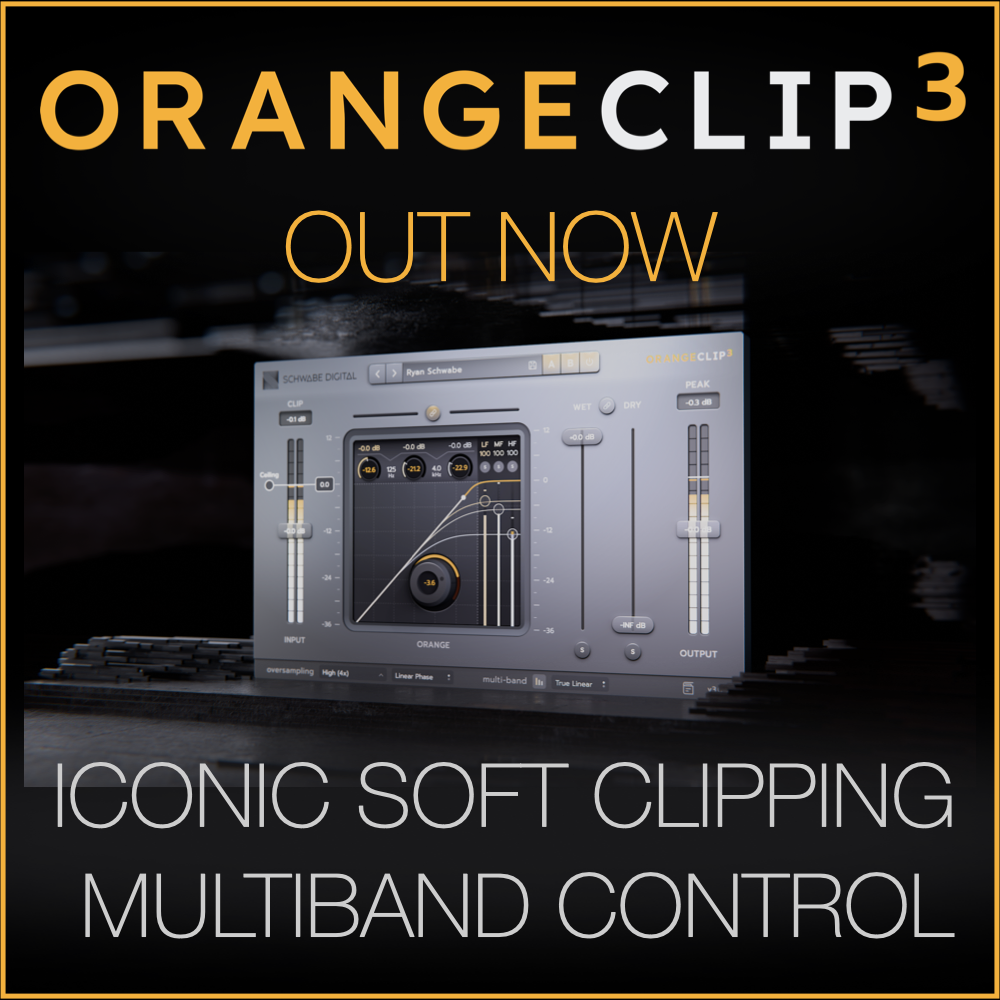
The all-new ORANGE CLIP 3 is HERE!
Orange Clip 3 redefines multi‐band clipping with a groundbreaking linear phase filter-bank, unrivaled routing capabilities, and an intuitive workflow. Fully reverse compatible with OC1, Orange Clip 3 is a seamless upgrade that installs without the need for reauthorization and still appears in your DAW as "Orange Clip." However, it is anything but the same; this powerful upgrade empowers you to push the boundaries of clipping, distortion, and tone shaping, unlocking endless creative possibilities for your mixes.

This is the first of a three-part email series designed to simplify your approach to EQ and help you make better mixing decisions.
We measure sound frequencies on a logarithmic scale in Hertz (Hz), or cycles per second. While essential for describing audio, this unit can feel abstract and disconnected to how we think about and create music. For example, a frequency of 100 Hz means a sound wave vibrates or oscillates for one full cycle at 100 times per second.
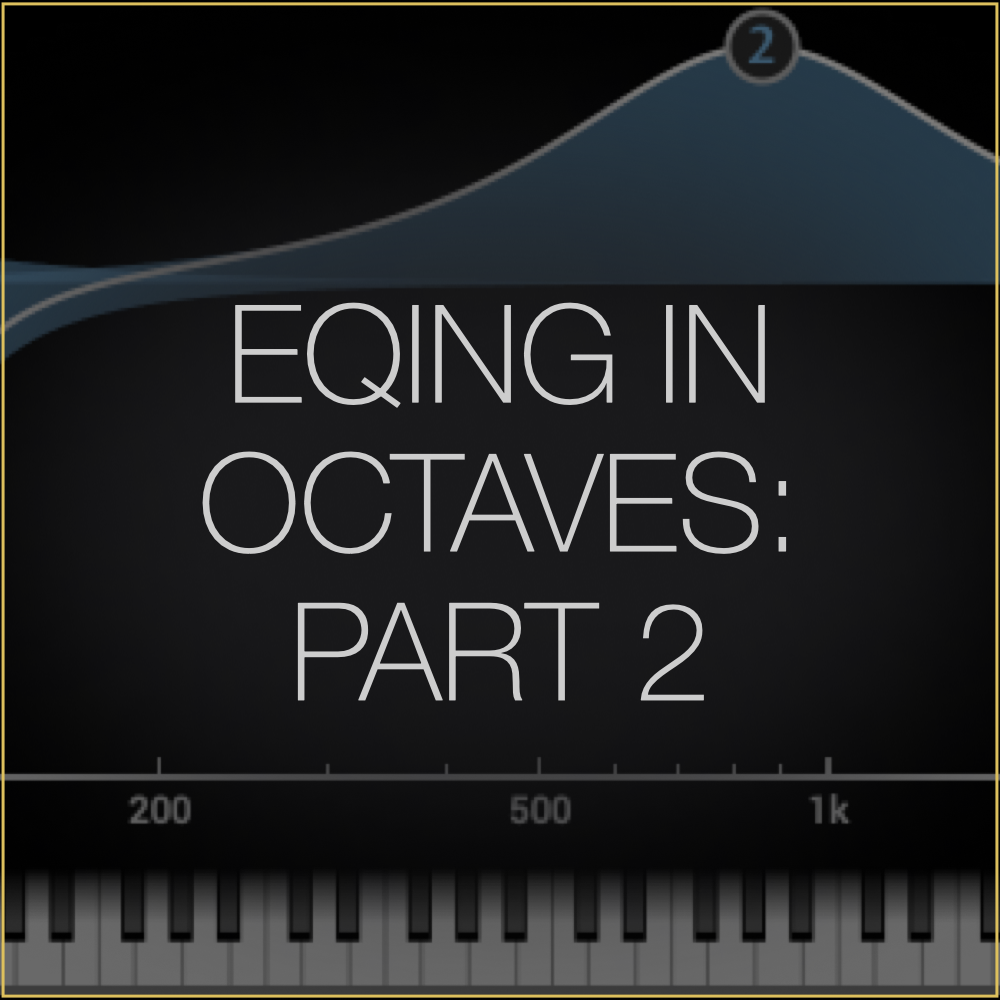
Last time, we explored how thinking in octaves can simplify your EQ process, making it feel more musical and intuitive. Today, we’ll take that concept further by dividing the 10 octaves into 5 key frequency bands—low, low-mids, mids, high-mids, and highs—and discussing how each band shapes our perception of sound. This week, we’ll focus on the first three bands and cover the remaining ones next week. Conveniently, each of the 5 bands spans roughly two octaves. Let’s explore them.

Last week, we explored the lows and mids—the fundamental frequencies that give your mix its weight, warmth, and power. Today, we'll focus on the high-mids and highs, where brightness and articulation live. These frequencies are crucial for bringing excitement and clarity to your mix, but they require precise placement to avoid harshness. Let's talk about how to craft a top end that's clear, balanced, and musical.

We have exciting news for GOLD CLIP users!
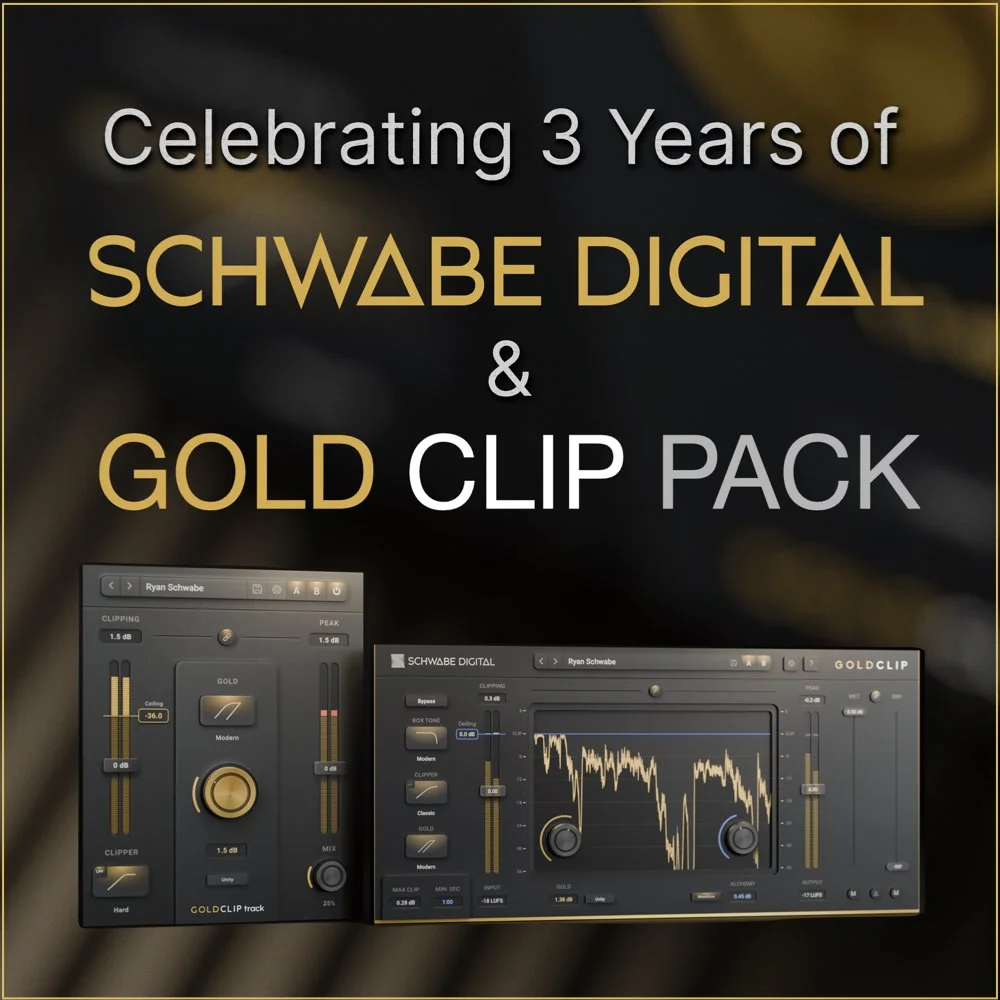
To show our appreciation for your support, we're upgrading all Gold Clip users to the new GOLD CLIP PACK!
Gold Clip Pack includes the original Gold Clip that you know and love, plus the FREE add-on plugin, GOLD CLIP track.

We’ve got some exciting news to share... We’ve gone through the entire codebase for both the Mac and Windows versions of Gold Clip, hunting for every possible efficiency. We analyzed every element and made improvements to enhance stability and performance—and the results are exceptional!

Alchemy is a high-frequency dynamic processor intended to soften the harshness that clipping can cause. We designed Alchemy when we originally built Gold Clip, and it sounds excellent, but the mastering engineer in me believes that everything in audio can be improved. So, we made Alchemy 2.

We have been working very hard to make major upgrades to both Orange Clip & Gold Clip. Log in to your Schwabe Digital account and download your free Orange Clip update today!

I recently spoke to Mike Indovina of the Master Your Mix Podcast about how you can use clipping to your advantage.

Below are some legendary engineers that are making music with a little help from Gold Clip. Read how they are using it and take a listen.
From launch to legend, GOLD CLIP has come a long way in one year. Several months before the release, I started an Instagram to talk my way through the making of Gold Clip.


A few weeks back, my friend Ken Lewis asked me to make a video about how I use Gold Clip and Orange Clip for his Mixing Night Podcast. I decided to throw that video on my YouTube page and share it with you.

As a mastering engineer, I’m often handed mixes that are already limited or clipped. These loud, finalized mixes can be tricky to work with because there’s often very little headroom or transient detail left. What I do as a mastering engineer involves envelope or dynamic shaping just as much as balancing, sweetening, and preparing a mix for distribution.

Today marks the 6-month anniversary for the release of GOLD CLIP. I want to take this time to thank you all for the support and love you have shown.
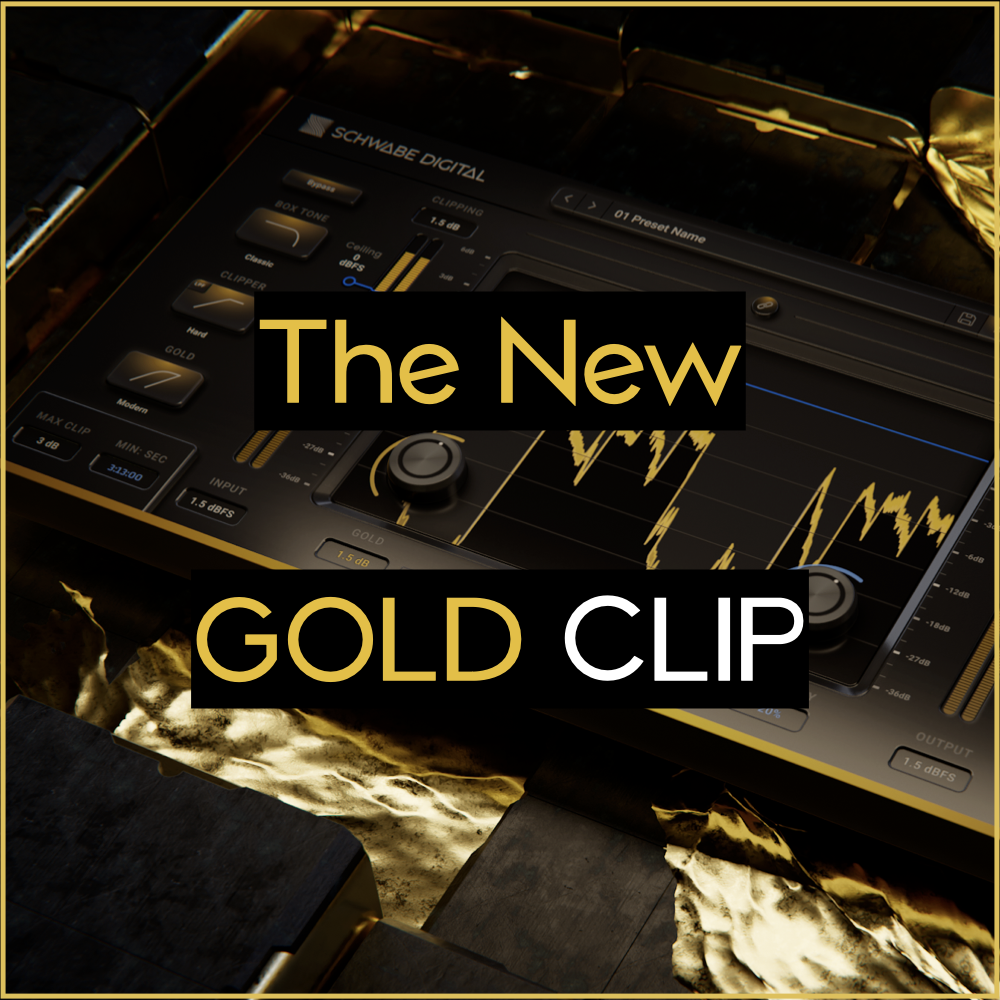
We have an updated interface, new oversampling options, a new downsampling filter technique, and some long-requested new features.

GOLD CLIP is much more than just another clipper.
Gold Clip Pack is a family of plugins designed to bring loudness, saturation, and energy to your mixes and masters. It includes both a Mastering Clipper and a Track Clipper, powered by the same advanced internal technology. With unique features like Boxtone, the digital tape-style dynamic processor Alchemy, a parallel mixer, and anti-overshoot oversampling, these tools help you craft mixes and masters with loudness and impact.
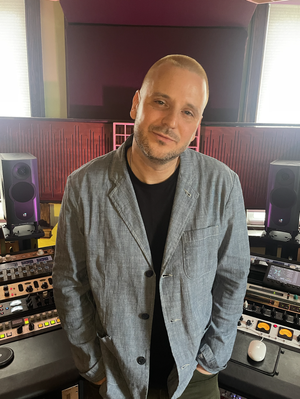
HiFAL 2 is Coming.
The concept is the same, but pretty much everything underneath it is new.
HiFAL 2 introduces SchwabeCore, a completely rebuilt filter bank with new filter modes, and a new approach to high-frequency stereo imaging using HiFAL’s acceleration limiting.
We also refined the interface and added some new tools, while keeping HiFAL simple and easy to use.
HiFAL 2 is a FREE UPDATE for all HiFAL owners and Rent-to-Own users. It uses the same license, and all your existing sessions will recall exactly as they should.
HiFAL 2 will be available September 15th at 10 AM ET.
More soon.