
The Long Road to New Tools
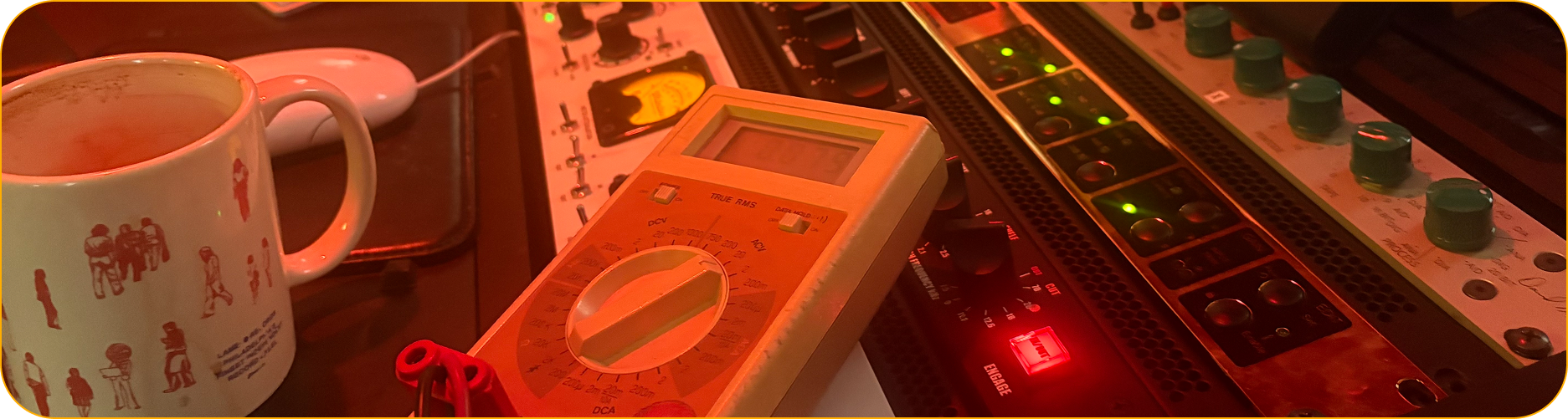
It’s been a minute. Between studio work and plugin development, the team has been quietly growing. Researchers, programmers, mathematicians, product specialists and GUI designers all working together on some of the most exciting tools I imagined making.
Before jumping straight into building plugins, we wanted to invest time in developing new technology from the ground up. That meant starting with research before anything else. Part of that work focuses on modeling pieces from my analog mastering chain, capturing the tone, asymmetry, and small shifts in time and depth that give analog gear its sound. We won’t be building emulations, but what we learn will make its way into every device we create.
Starting with research is the long road to building new plugins, but it’s the right one for the kind of tools we want to make. We want mastering grade processing that is flat and transparent, but still has the tonal complexity that makes analog worth chasing. We are breaking new ground here, and we have been talking about presenting some of our findings at the AES Convention in Nashville later this year. No promises, but it’s on the table.
Our research does not stop at looking back. It is also about building what comes next.
The clearest example of that is our new equalizer. What we’ve achieved with it genuinely surprised me, and it’s already changed the way I work with EQ when mixing and mastering. It is easily the most advanced EQ I have used, and it brings together ideas we have been developing across multiple research paths. There’s a lot to unpack here, so I will save the details for later this year.
There’s also a new dynamics processor in development that goes beyond traditional compression in mixing and mastering. It works like a straightforward dynamics tool you’ve used before, but it can dissect sound in ways you would not expect. It’s early, and the hardest part has been keeping the scope focused. We’re taking our time with it, but the direction is locked and we’re inching closer to completion.
An offshoot of that work spun into another research project that deconstructs sound in a new way. It led us to a unique time framing approach to gain reduction that hasn’t been done before. It’s still deep in the experimental phase, but the foundation is solid. More on that soon, too.

We are also spending a lot of time improving the tools many of you already use and love. New DSP, refinements, big changes, and small ones too, and all fully backwards compatible. Always adding on top, never changing what is beneath. These updates and improvements are what make our plugins so fun to work with. They are always improving, and the updates are always free. Schwabe Digital tools are built to evolve.
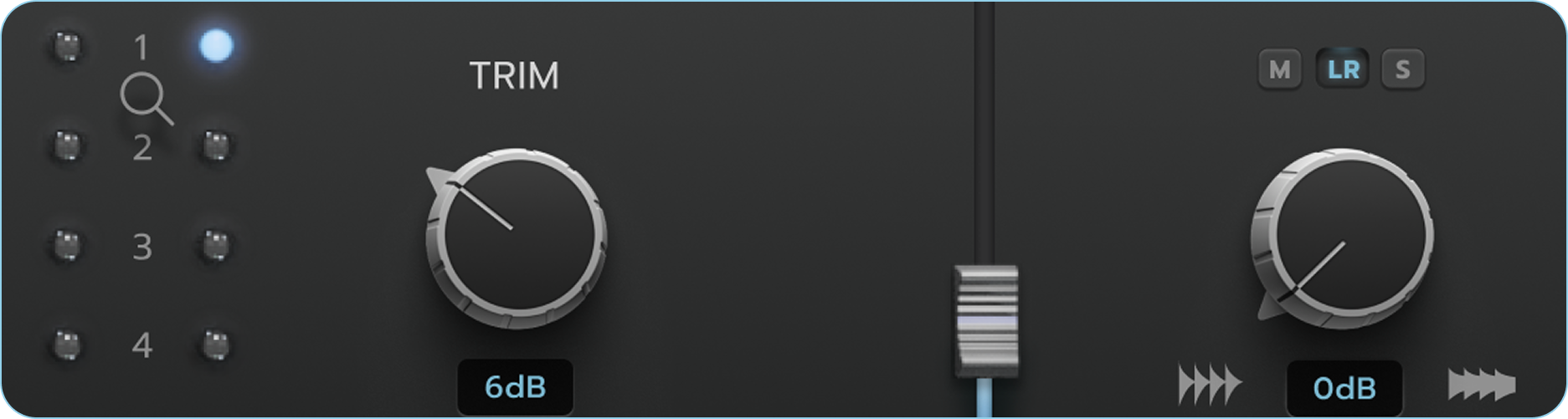
Building tools like this takes time and resources, and the burn rate is real when you are funding R&D at this level. But the goal has always been the same: make tools we actually want to use in the studio, work on our own timeline, and do it differently. We are pushing the best DSP engineers and mathematicians in the world to build the next generation of mixing and mastering tools.
That’s what most of my days look like. Working in the studio, thinking about sound, and finding specialists who can turn those ideas into tools for all of us. For now we are heads down building. You will hear it soon.
Have questions? Just hit reply, and we’ll get back to you. You can also tag us on instagram—we’re always happy to connect!
Be well,
Ryan Schwabe
Grammy-nominated and multi-platinum mixing & mastering engineer
Founder of Schwabe Digital









No, you don't need true peak limiting.
Here is the alternative:
Do not slam everything against 0.0 dBFS → leave a tiny amount of headroom → use that headroom to rebuild transient detail → put a safety limiter at the end.
Curious how that can work? Read on.