
Do We Really Need True Peak Limiting?
If you don't feel like reading my whole diatribe, here is the five-second version:
No, you don't need true peak limiting.
Here is the alternative:
Do not slam everything against -0.1 dBFS → leave a tiny amount of headroom → use that headroom to rebuild transient detail → put a safety limiter at the end.
Curious how that can work? Read on.
True peak limiting solves a pretty specific problem. It aims to eliminate estimated inter-sample peaks that might occur during D/A conversion. But how much of a problem are those peaks really? And do we really need another limiting process to solve it? No, I do not think we do.
But before I go on, what are inter-sample peaks?
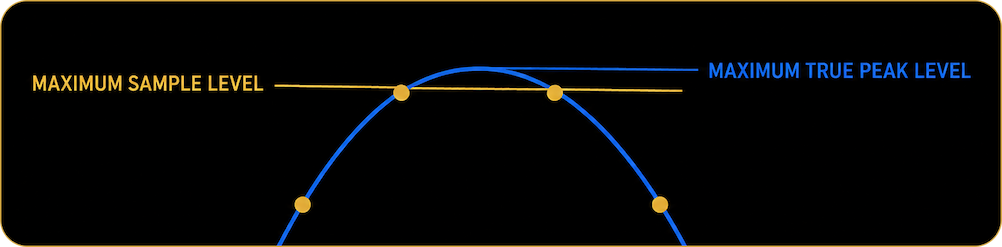
When a D/A converter reconstructs an analog waveform from digital samples, the analog signal can briefly rise above the level of the individual digital samples. The exact peak level created by the D/A depends on the converter, its reconstruction filter, and its analog output stage.
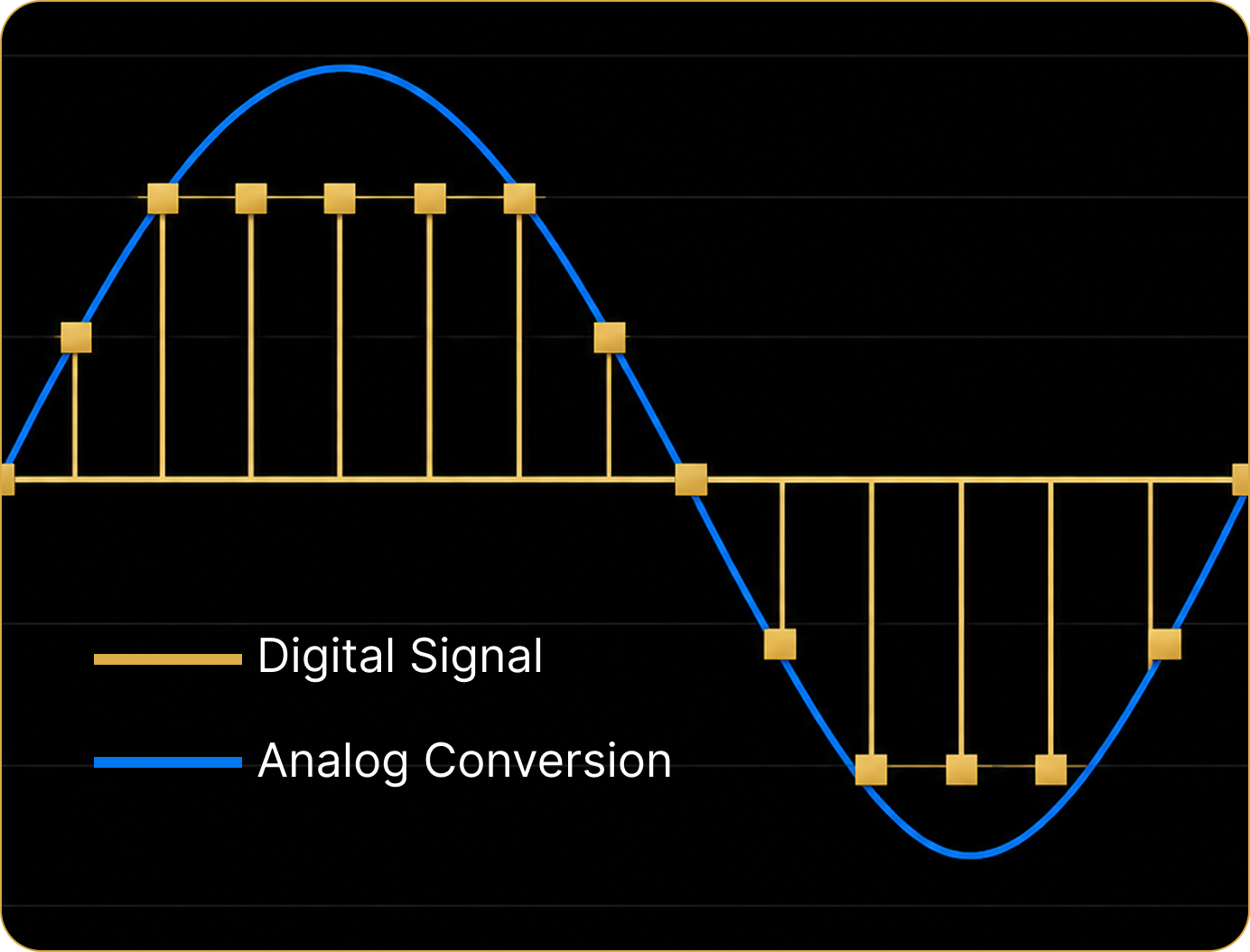
A true peak limiter is making assumptions about what might happen during that conversion and then limiting based on that assumption. It makes that assumption in a relatively straightforward way. It over-samples the signal to approximate the reconstructed analog waveform and uses a reconstruction filter similar to what might be used in a D/A converter to estimate what could happen between samples. True peak meters commonly follow the measurement method defined in ITU-R BS.1770.
At its core, it is an estimate of what might happen during playback, not a measurement of what will happen on every D/A converter.
A common place you may have actually heard true peak distortion is on social media. We have all heard an Instagram Story or TikTok where someone shares their record and it sounds harsh or distorted.
One reason is lossy encoding. Your master WAV file gets encoded into a lossy format, which can change the waveform and create new peaks when the audio is decoded. Those peaks then go through the D/A converter and analog output stage of your phone, laptop, or other playback device. If that playback path has limited headroom, those peaks can contribute to audible distortion.
I have actually made social media-specific masters with almost 2 dB of headroom for this reason. It may seem extreme, but social media codecs are pretty bad and giving the file some extra headroom can make a noticeable difference on social media.
So yes, inter-sample peaks can create real problems. But that does not necessarily mean true peak limiting is the best way to solve them.
There are many DAC designs in the world, each with different reconstruction filters and analog output stages. To me, making a sonic decision around a single estimated conversion model never made much sense.
Not to mention, most limiters I have tested sound better with true peak turned off. The true peak algorithm tends to react more aggressively to those estimated peaks, subtly softening transients and reshaping them compared to the same limiter with true peak turned off.
I have always questioned whether solving those estimated peaks is worth changing the sound of the master.
So what if we approach the problem differently?
Inter-sample peaks become more likely as we push more samples close to full scale and flatten out transients against the digital ceiling. So why not reduce those conditions by making sure our peak transients have some headroom and retain their dynamic shape, rather than being flatlined against the digital ceiling?
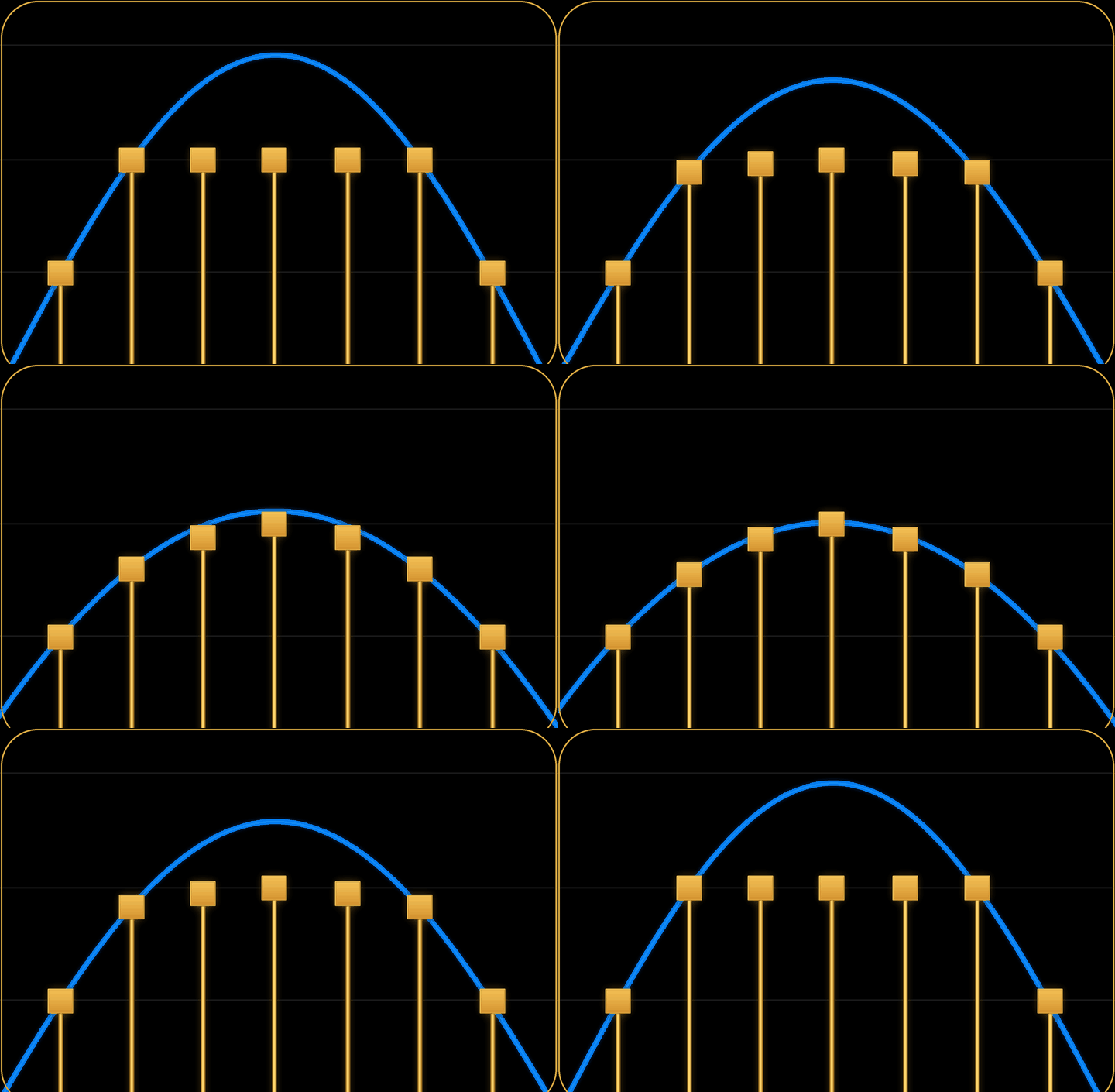
For my own mastering work, I prefer to leave a little headroom rather than rely on true peak limiting. I typically set the loudness limiter ceiling around -0.4 to -0.3 dBFS. This is the limiter where I create most of the final loudness of the master.
Apple Digital Masters recommends a full 1 dB of headroom with a limiter ceiling of -1.0 dBFS, but I find that to be overkill. In practice, I find that 0.3 to 0.4 dB provides enough headroom to reduce the likelihood of reconstruction peaks causing problems during D/A conversion.
I then place a second limiter at the end of my mastering chain. This final limiter is not used to add loudness. It has a ceiling of -0.1 dBFS and is there strictly as a protection limiter.
But here is where that little bit of headroom between the two limiters gets interesting.
We can think of that small amount of headroom between the two limiters as a transient window. Rather than simply leaving that space empty, I can use it to reshape the top of the waveform and create some transient movement.

I can do some subtle processing within that window, such as EQ, widening, or dynamic processing, to create a tiny bit of movement in the peaks. If that processing occasionally creates a peak that goes too far, the final protection limiter catches it.
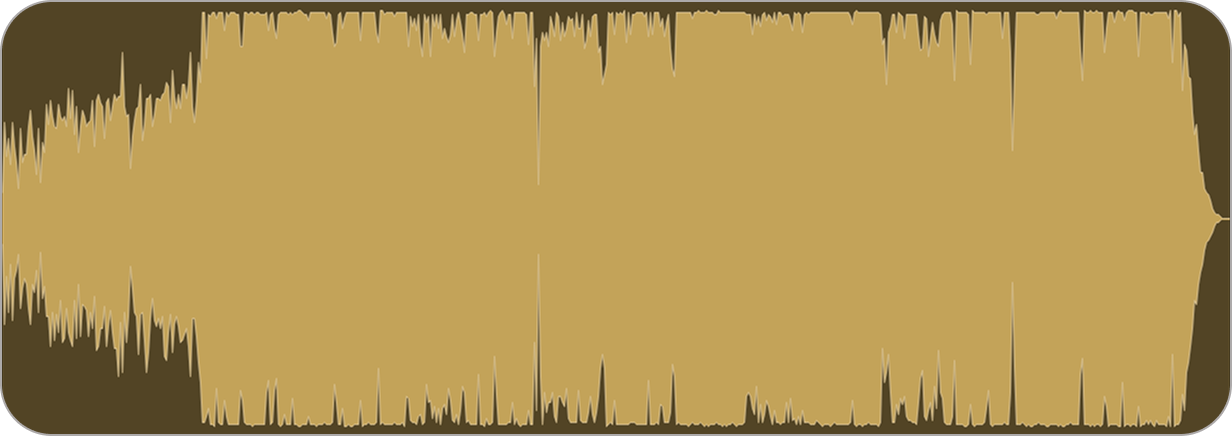
The result is a master that feels more open and dynamic while still achieving a competitive level.
To me, giving up 0.3 dB of loudness is a worthwhile tradeoff if I can use that transient window to improve the sound of my masters. Rather than chasing the last fraction of a decibel, I am using that window to create a little breathing room in the master.
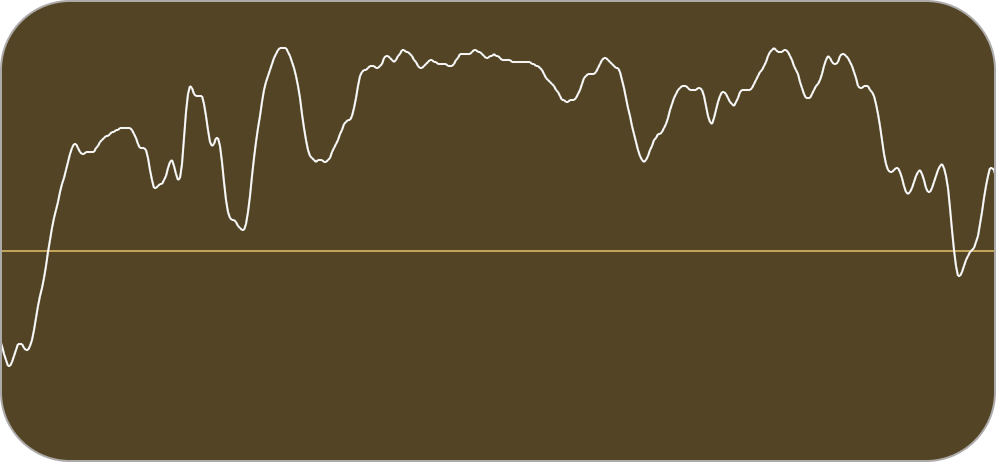
In a future article, I will break down some of the techniques I use within that transient window to reshape peaks and create that subtle transient detail.
That philosophy is exactly what has guided the limiter we have been researching and developing over the past year. More on that coming soon.
Have questions? Comment below, and we’ll get back to you. You can also tag us on instagram—we’re always happy to connect!
Be well,
Ryan Schwabe
Grammy-nominated and multi-platinum mixing & mastering engineer
Founder of Schwabe Digital













No, you don't need true peak limiting.
Here is the alternative:
Do not slam everything against 0.0 dBFS → leave a tiny amount of headroom → use that headroom to rebuild transient detail → put a safety limiter at the end.
Curious how that can work? Read on.