

08) ORANGE CLIP 3: Redefining Parallel Processing
Orange Clip 3 features four versatile distortion circuits, each capable of dry/wet blending. The three band-based clippers can be blended individually with a traditional dry/wet mix, while the main clipper processes their combined output before passing through the true parallel mixer. This layered approach unlocks endless creative possibilities. Below, we’ll explore some of these features in action.

09) Oversampling Made Simple with ORANGE CLIP 3
Both Gold Clip and Orange Clip are designed to deliver a consistent sound, regardless of your DAW's sample rate. To achieve this, the oversampling rate dynamically adjusts based on the session's sample rate. This ensures that High, Pristine, and Extra Pristine modes sound identical, no matter the sample rate you’re working with. Let me explain how it works.

10) Inside the Innovation: Schwabe Digital Linear Phase Filterbank
We spent a year researching, testing, and refining our filterbank technology. Our expectations were ambitious: we set out to create a truly linear phase filter bank with minimal pre-ringing, ultra-low latency, and exceptional CPU efficiency—essentially, everything without compromise.

11) How ORANGE CLIP 3 Matches its Inspiration
We spent a lot of time trying to determine the exact mathematical equation that makes ORANGE CLIP 3 sound so good, and that equation matches its inspiration in every detail: dynamics, harmonics, and overall tone.

EQing in Octaves: Part 1
This is the first of a three-part email series designed to simplify your approach to EQ and help you make better mixing decisions.
We measure sound frequencies on a logarithmic scale in Hertz (Hz), or cycles per second. While essential for describing audio, this unit can feel abstract and disconnected to how we think about and create music. For example, a frequency of 100 Hz means a sound wave vibrates or oscillates for one full cycle at 100 times per second.
EQing in Octaves: Part 2
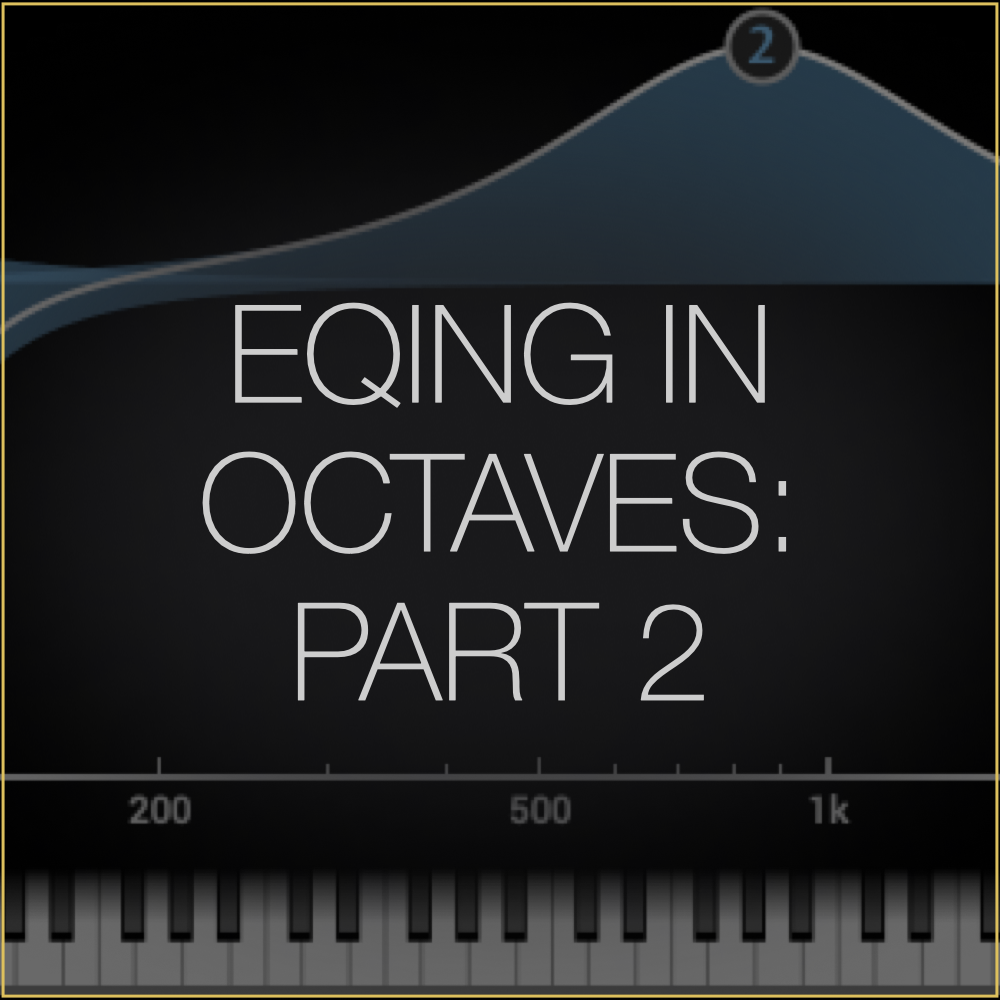
Last time, we explored how thinking in octaves can simplify your EQ process, making it feel more musical and intuitive. Today, we’ll take that concept further by dividing the 10 octaves into 5 key frequency bands—low, low-mids, mids, high-mids, and highs—and discussing how each band shapes our perception of sound. This week, we’ll focus on the first three bands and cover the remaining ones next week. Conveniently, each of the 5 bands spans roughly two octaves. Let’s explore them.

EQing in Octaves: Part 3
Last week, we explored the lows and mids—the fundamental frequencies that give your mix its weight, warmth, and power. Today, we'll focus on the high-mids and highs, where brightness and articulation live. These frequencies are crucial for bringing excitement and clarity to your mix, but they require precise placement to avoid harshness. Let's talk about how to craft a top end that's clear, balanced, and musical.

GOLD CLIP PACK is OUT NOW!
We have exciting news for GOLD CLIP users!
To show our appreciation for your support, we're upgrading all Gold Clip users to the new GOLD CLIP PACK!
Gold Clip Pack includes the original Gold Clip that you know and love, plus the FREE add-on plugin, GOLD CLIP track.

The Most Efficient GOLD CLIP Yet!
We’ve got some exciting news to share... We’ve gone through the entire codebase for both the Mac and Windows versions of Gold Clip, hunting for every possible efficiency. We analyzed every element and made improvements to enhance stability and performance—and the results are exceptional!

Simple Tips for Mastering
I am a minimalist at heart. I want processors that are simple, direct, and powerful. As engineers, we can quickly overcomplicate things.

GOLD CLIP 1.3 with ALCHEMY 2 is Now Available
Alchemy is a high-frequency dynamic processor intended to soften the harshness that clipping can cause. We designed Alchemy when we originally built Gold Clip, and it sounds excellent, but the mastering engineer in me believes that everything in audio can be improved. So, we made Alchemy 2.

Orange Clip 1.1 Now Available
We have been working very hard to make major upgrades to both Orange Clip & Gold Clip. Log in to your Schwabe Digital account and download your free Orange Clip update today!

Podcast: Mastering Secrets & Musical U-Turns: My Chat with Mike Indovina
I recently spoke to Mike Indovina of the Master Your Mix Podcast about how you can use clipping to your advantage.

Songs Made with Gold Clip
Below are some legendary engineers that are making music with a little help from Gold Clip. Read how they are using it and take a listen.
One Year of Gold Clip
From launch to legend, GOLD CLIP has come a long way in one year. Several months before the release, I started an Instagram to talk my way through the making of Gold Clip.

Podcast: A Conversation About the Art of Mastering & Mixing with Bobby Owsinski
A while back, I had the pleasure of being interviewed by the legendary author Bobby Owsinski on his podcast,

What’s the Difference Between GOLD CLIP and ORANGE CLIP?
I often get this question…
What’s the differences between Gold Clip and Orange Clip?
Podcast: Making Records & Plugins with Help Me Devvon
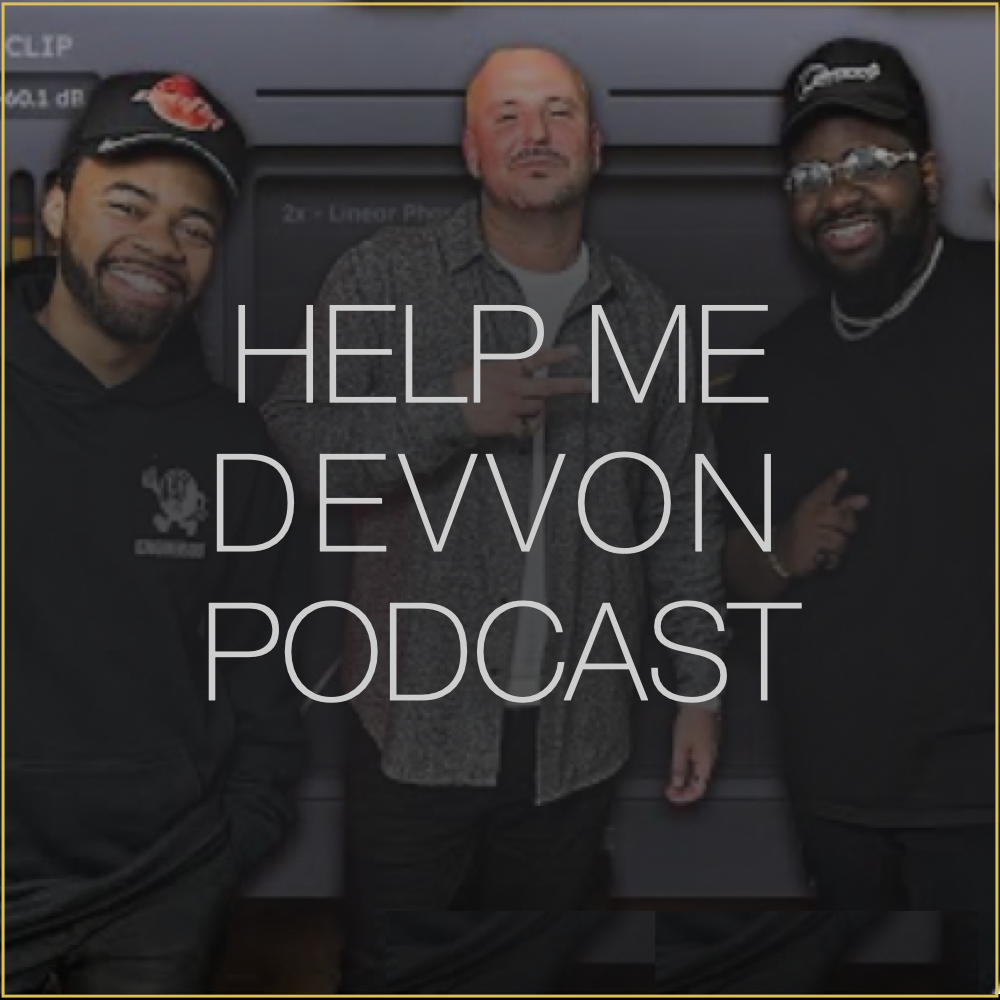
Back in March of 2024, I did an interview with Devvon Terrell, L.Dre, and Courtney Taylor of the Help Me Devvon / Audio Nerds podcast…

Using Orange Clip & Gold Clip Together
A few weeks back, my friend Ken Lewis asked me to make a video about how I use Gold Clip and Orange Clip for his Mixing Night Podcast. I decided to throw that video on my YouTube page and share it with you.

Reviving Loud & Limited Pre-Masters with GOLD CLIP
As a mastering engineer, I’m often handed mixes that are already limited or clipped. These loud, finalized mixes can be tricky to work with because there’s often very little headroom or transient detail left. What I do as a mastering engineer involves envelope or dynamic shaping just as much as balancing, sweetening, and preparing a mix for distribution.